Paul Lemaire is a photojournalist who has recently left southern Ukraine. Here we present a photo essay from his time in the countryside around the city of Mykolaiv, near the Black Sea between Odesa and Kherson. At the end of April, Paul spent some time with farmers Vladimir and Ivan, as they’ve tried to carry with their work in rural Ukraine. Here we feature, for the first time, his photos from this visit. All photos (c) ARC2020.
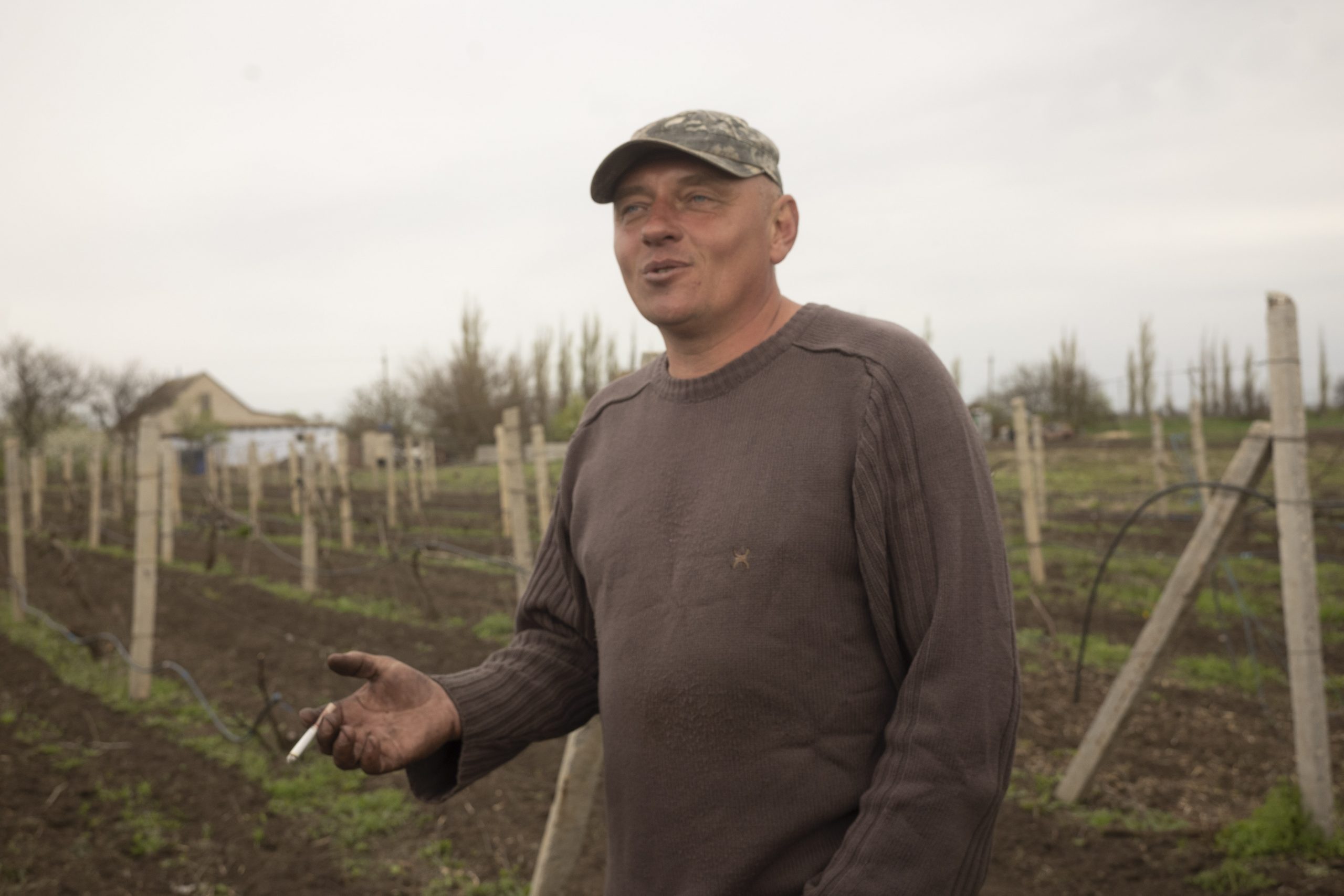
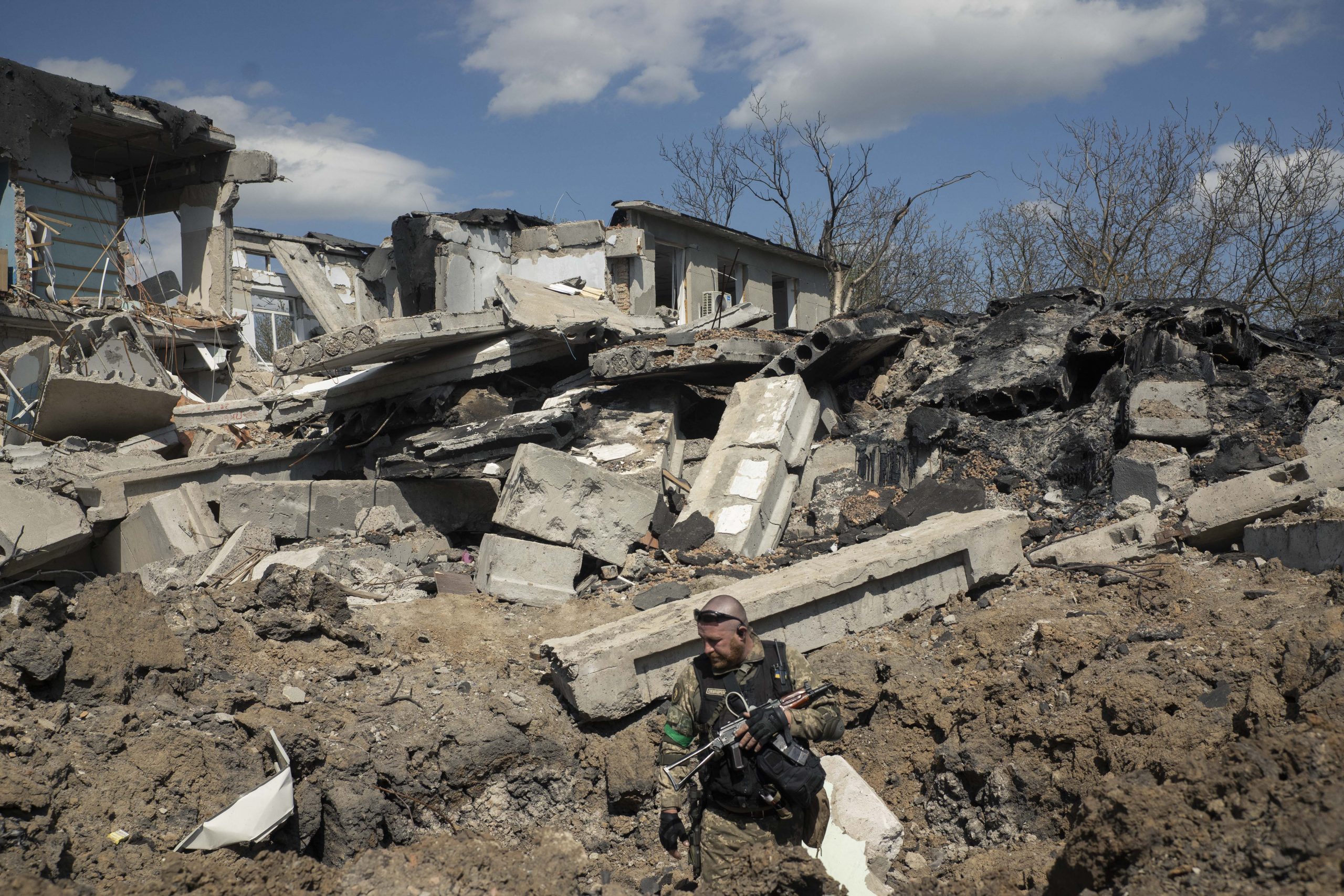
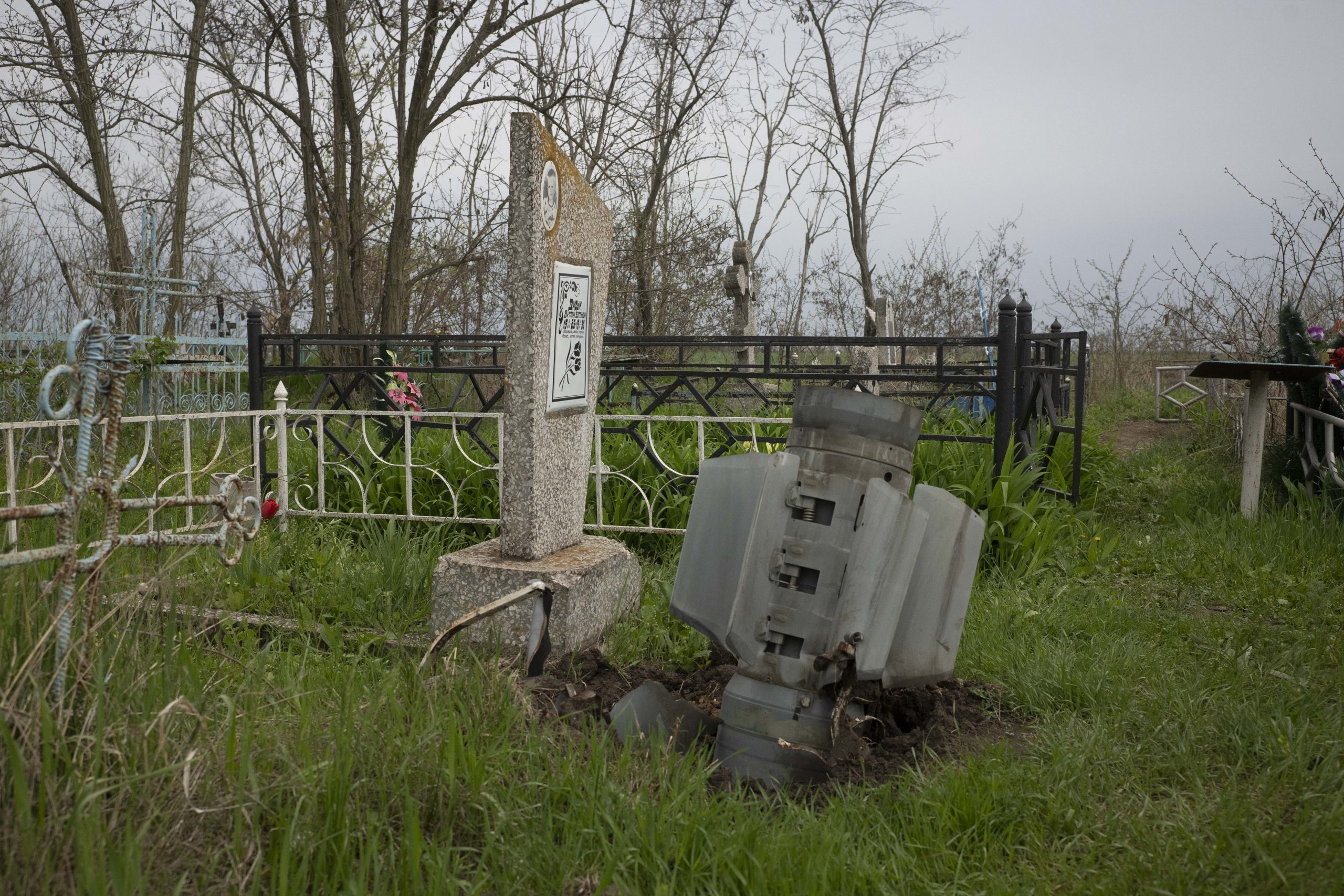
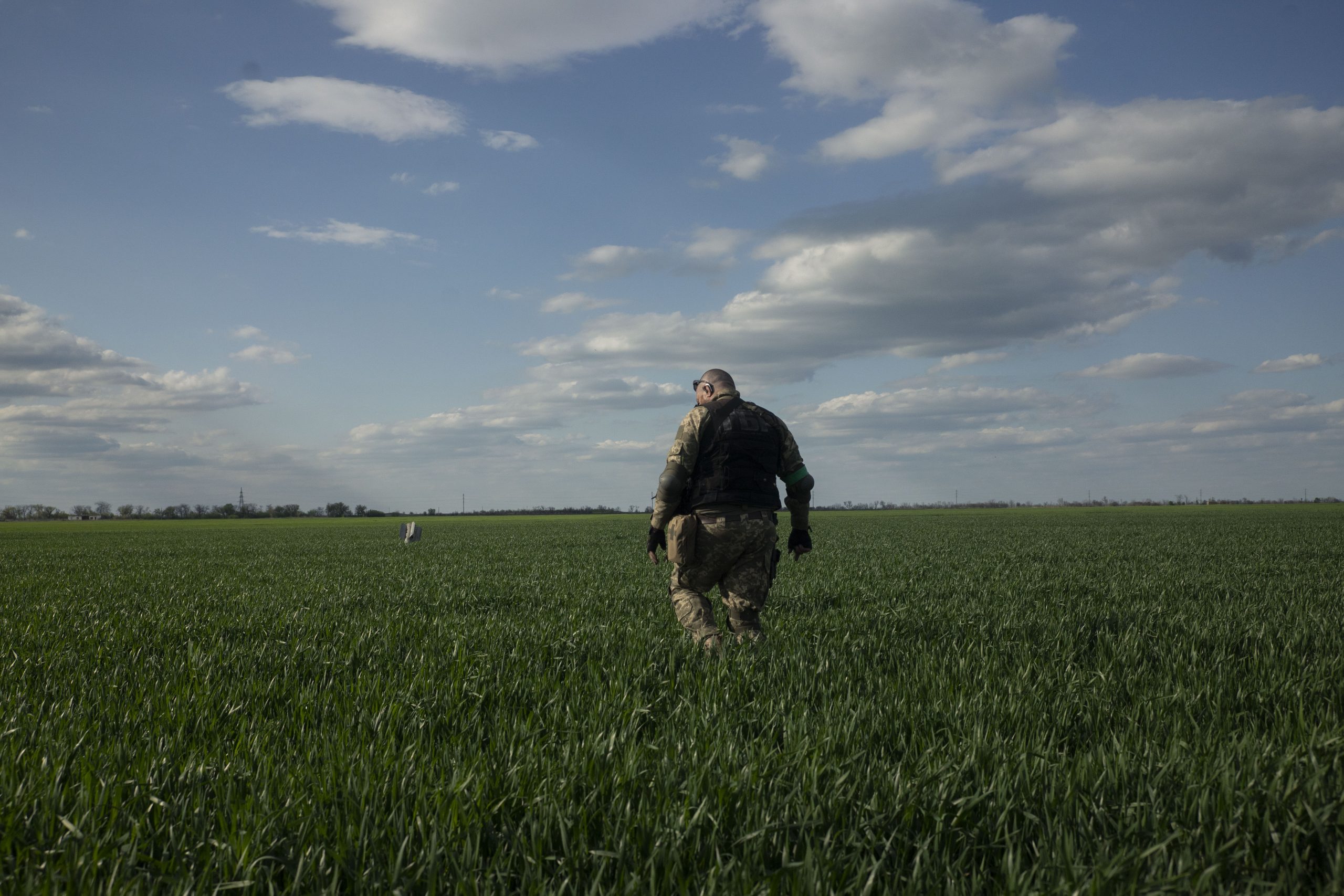
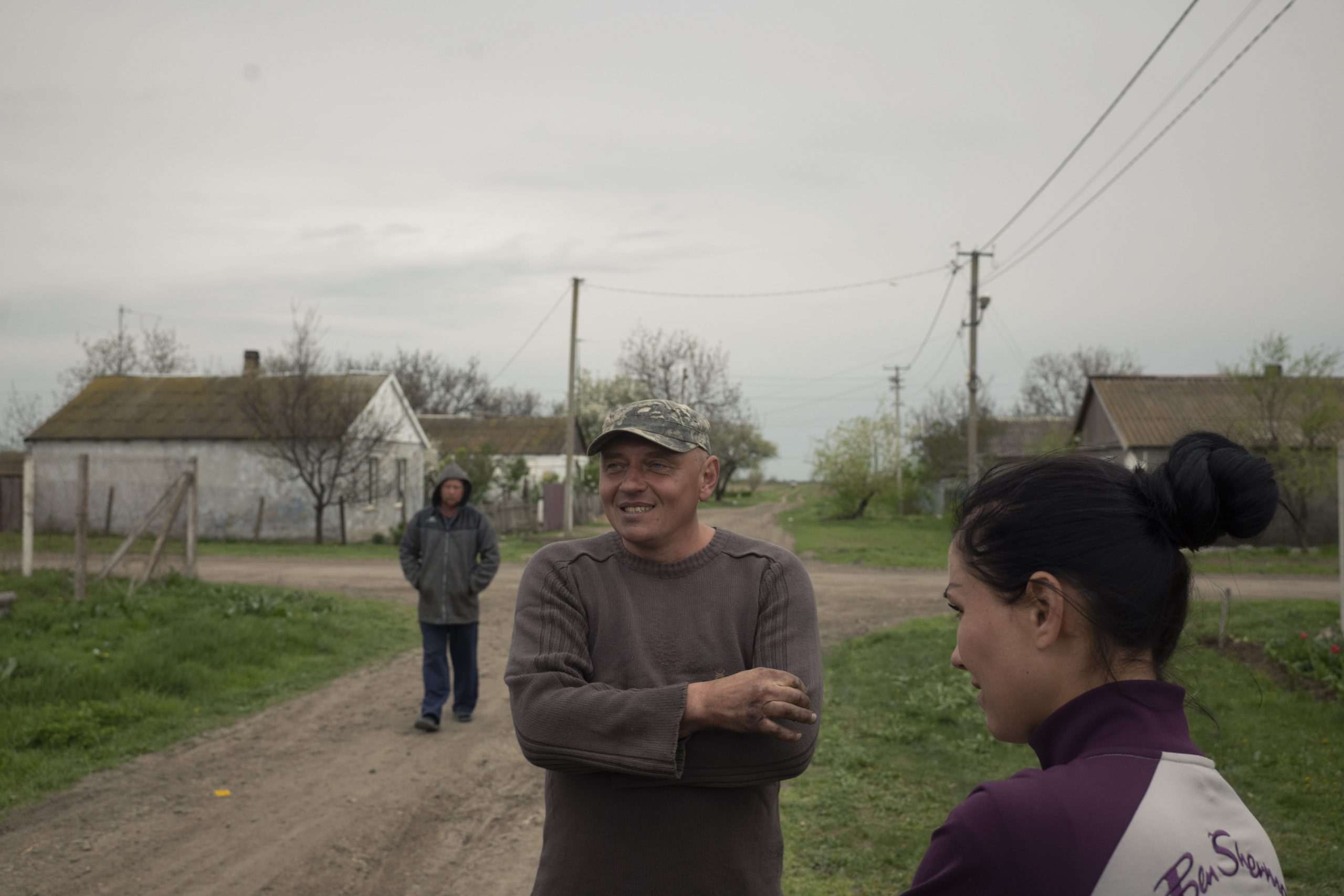
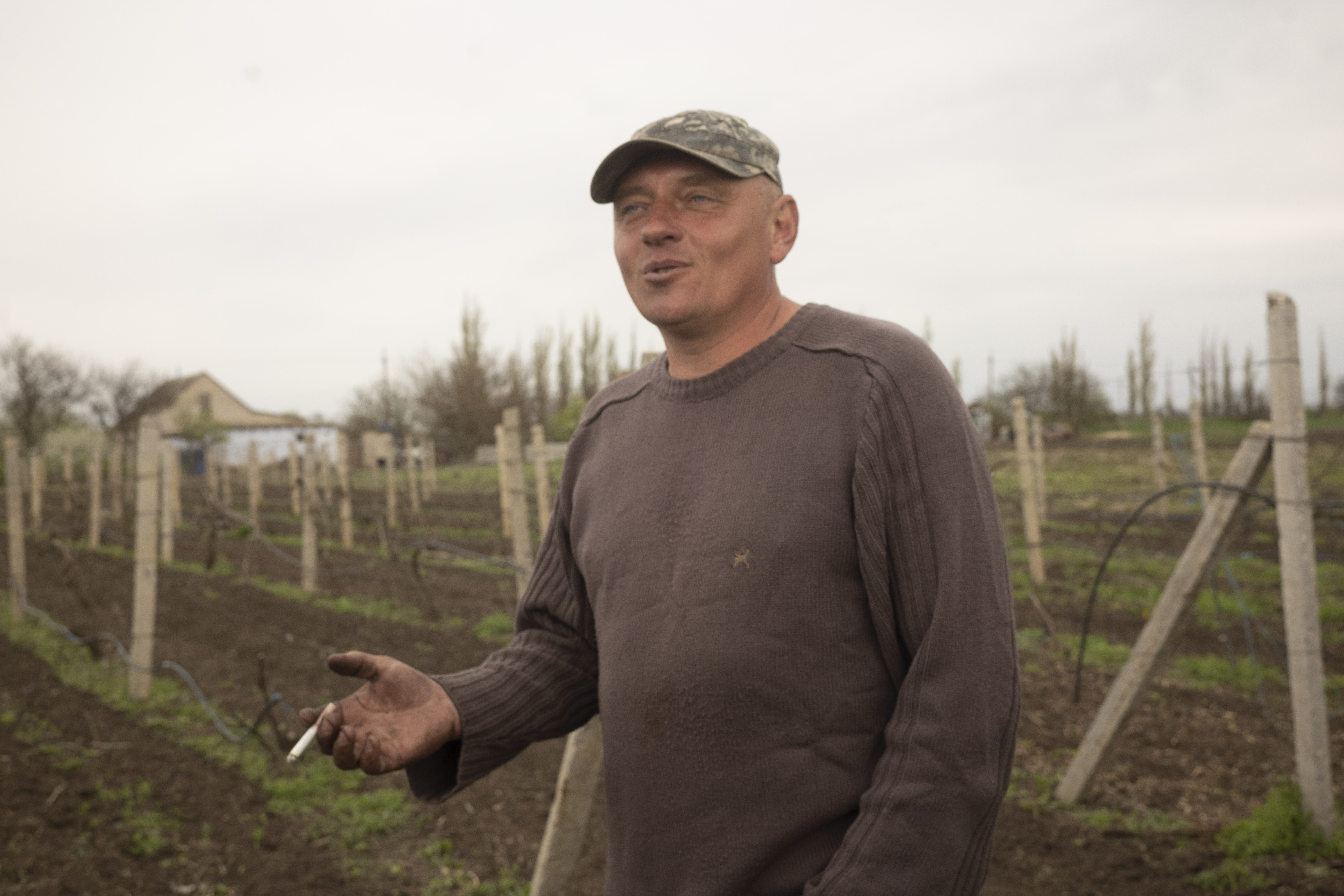
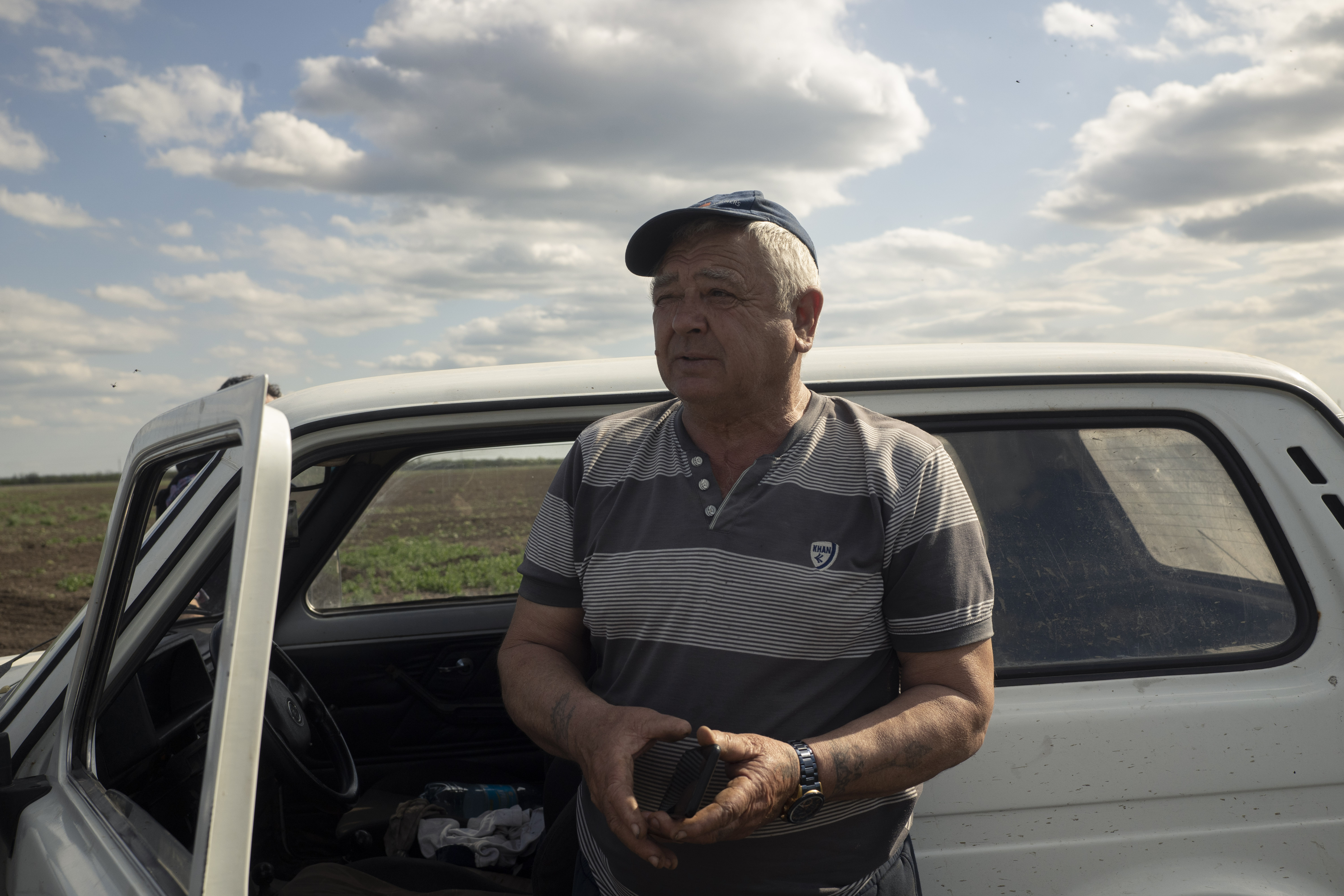
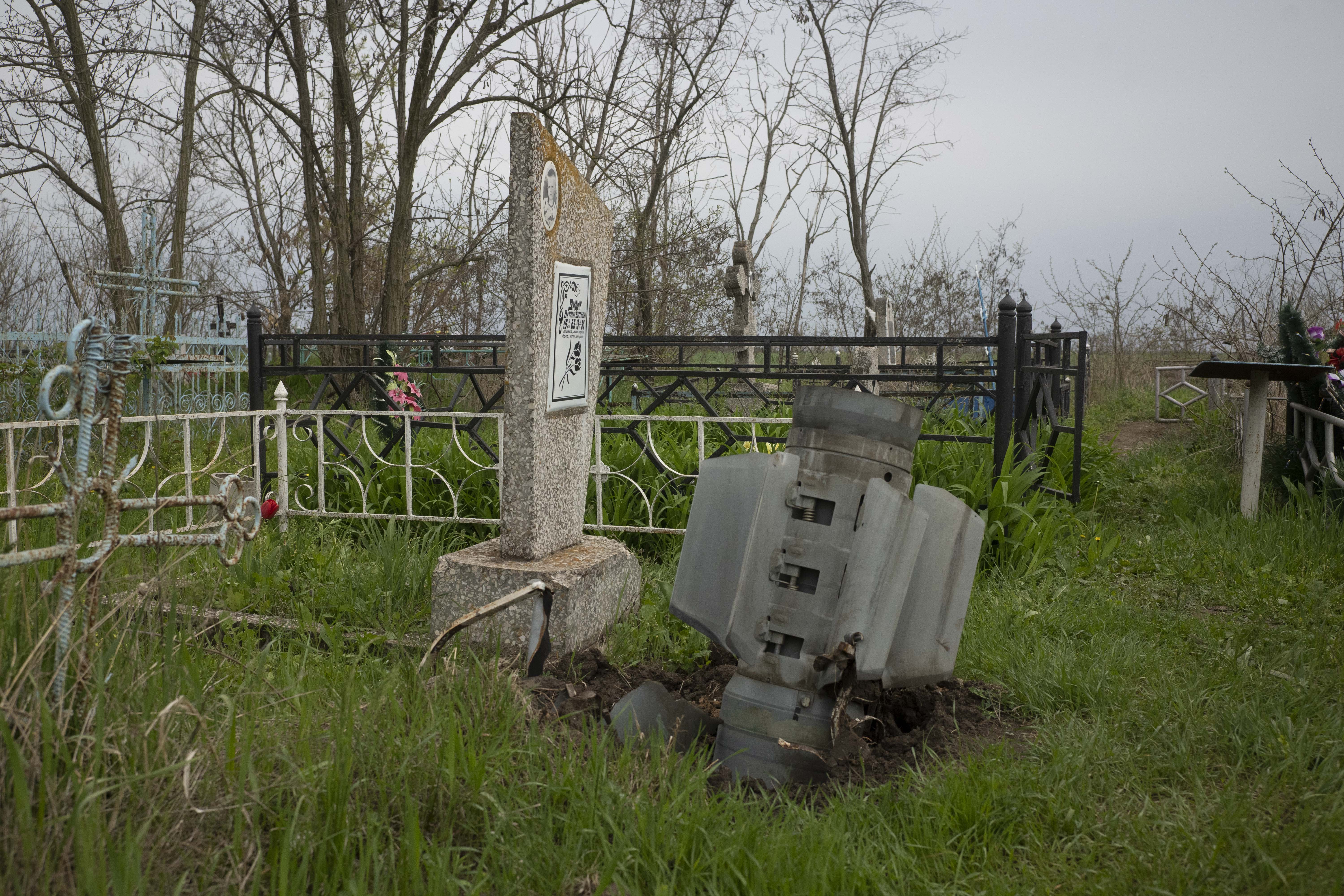
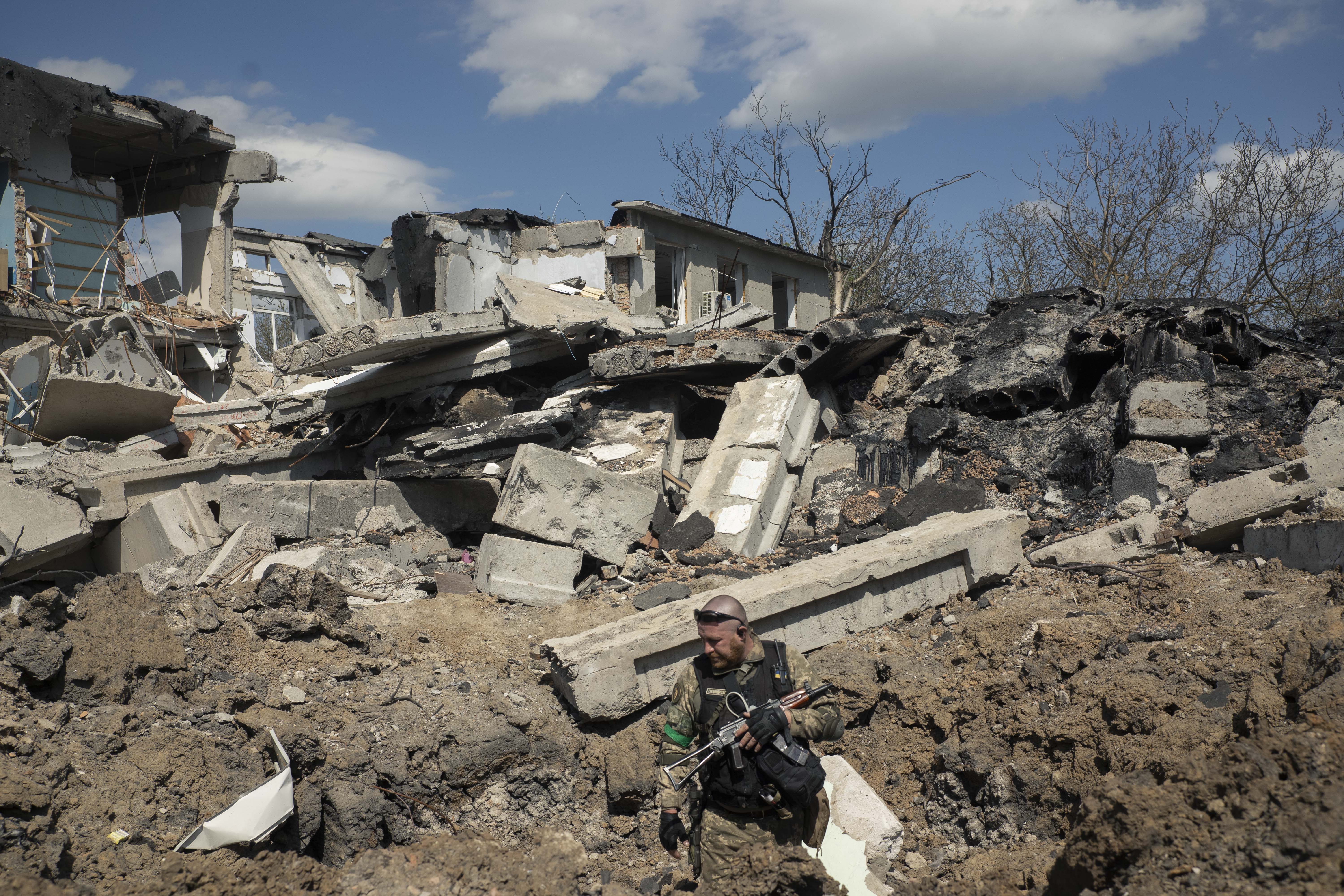
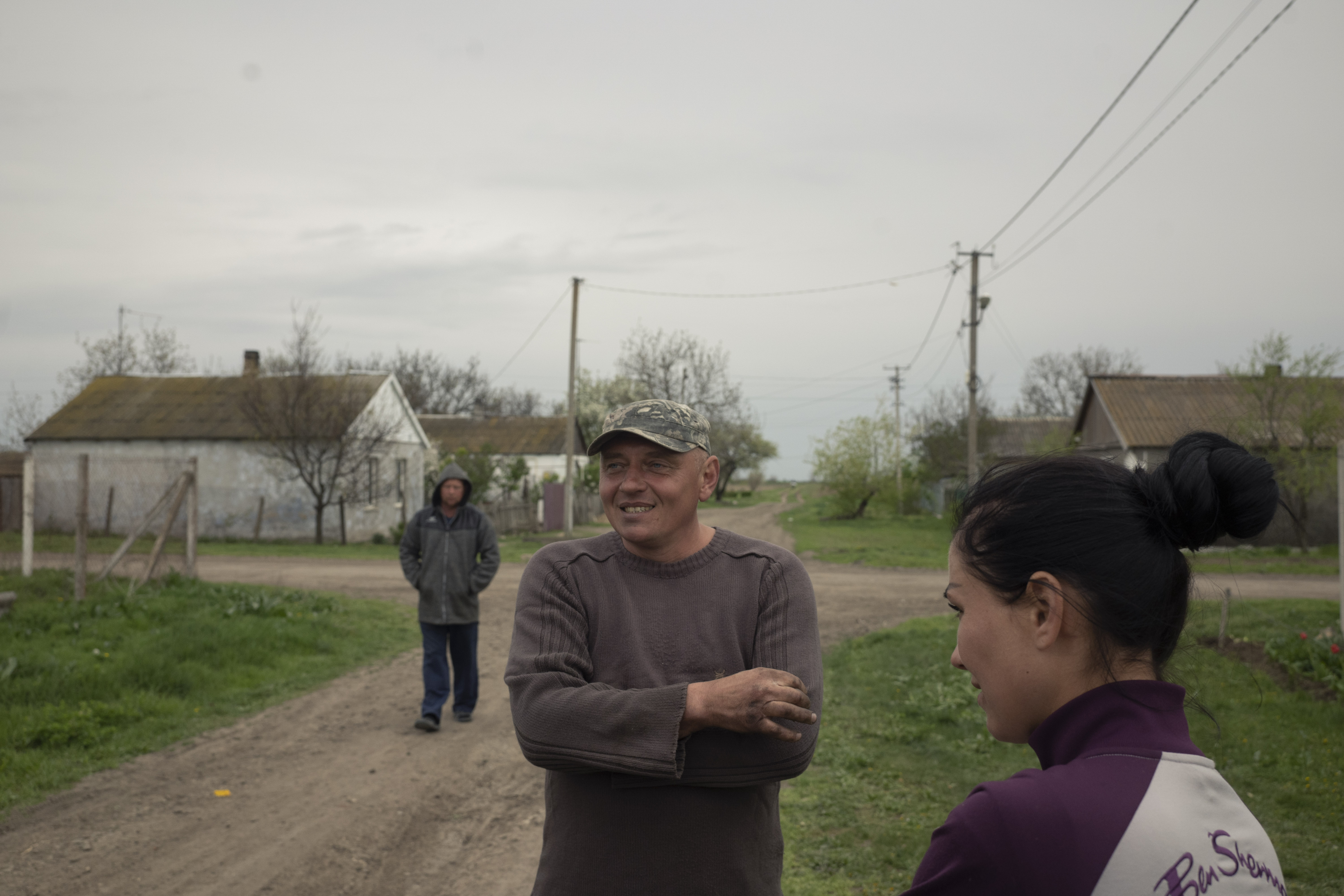
Zelenyi-Hai, 20km east of Mykolaiv. Ivan is a grape farmer. War has severely damaged water supply from Russian-occupied Kherson. « This is our land, this is our home, we will not leave ». 5km from the front line, Ivan refuses to leave with his children. “Where would we go? He points out that he will lack the inputs and water to grow his grapes. The season is particularly dry in Ukraine this year. There may be unexploded ordnance in the fields » he says. The school in the village of Zelenyi Hai, 15 km east of Mykolaiv. In April, fighting devastated this town. Belligerents exchanged positions on 27 April 2022.« This Russian missile is part of the scenery in this region where some villages further east and south have been occupied for weeks. » Ivan says.A Home Guard soldier approaches an unexploded bomb in a field 10km north of Mykolaiv.
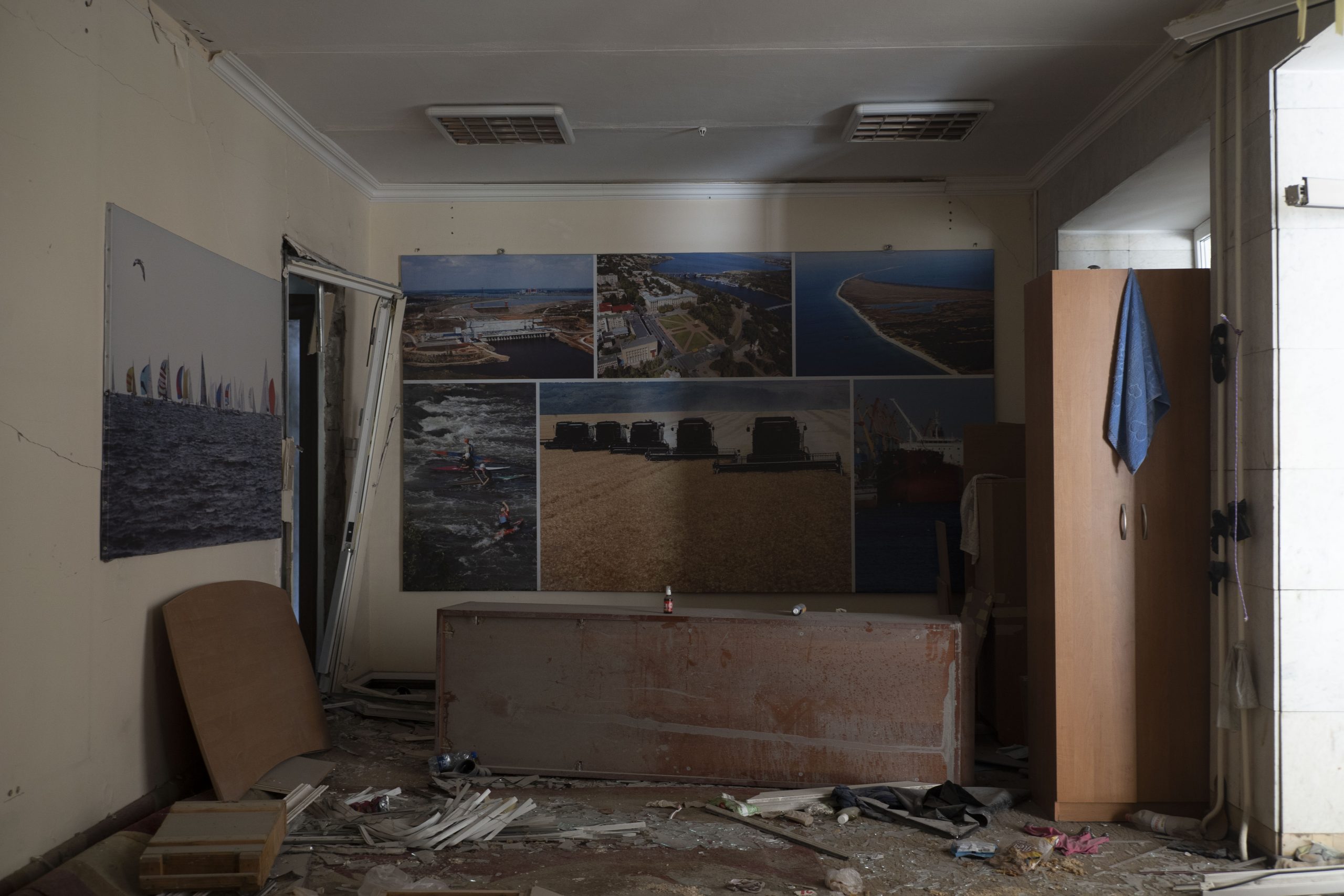
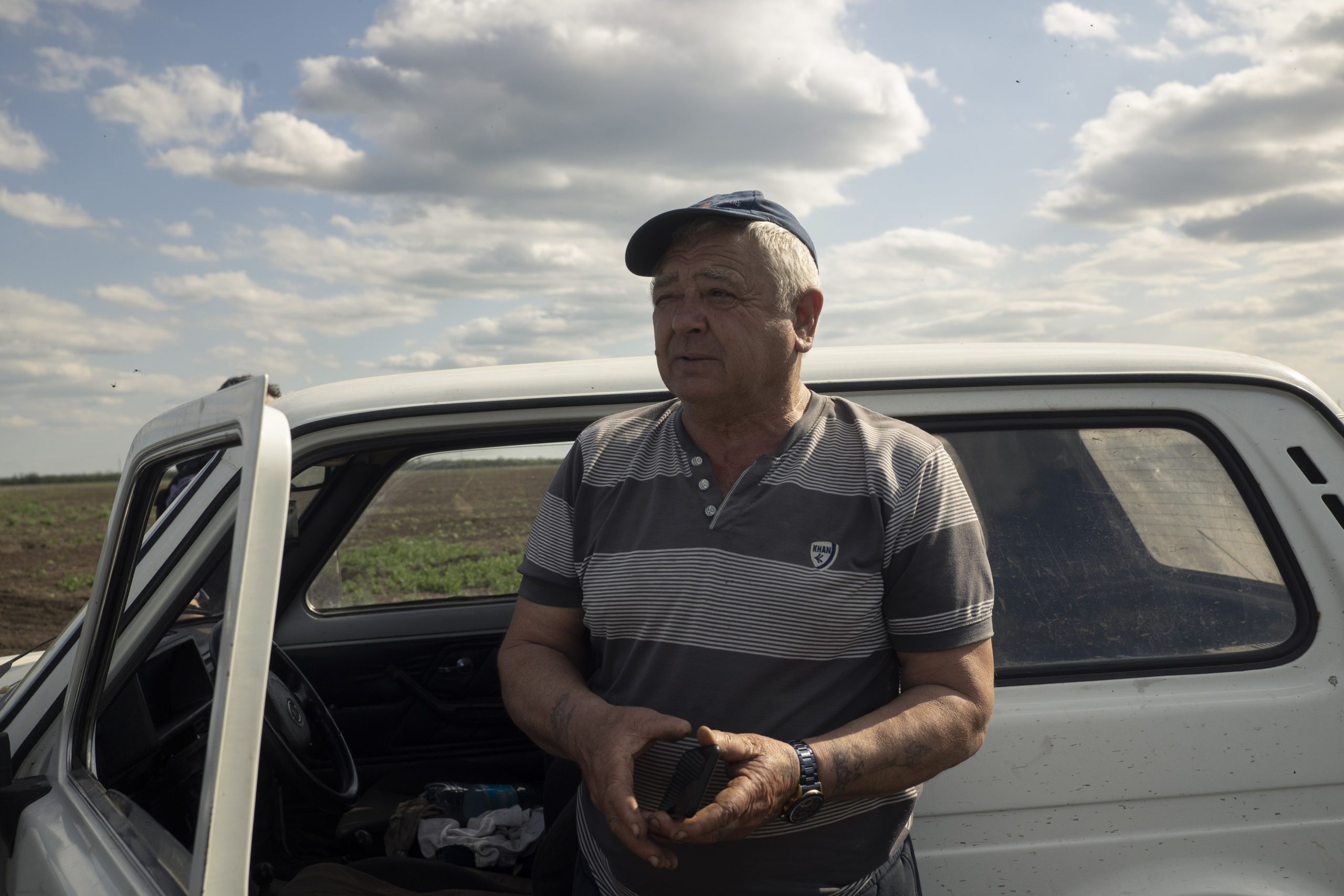
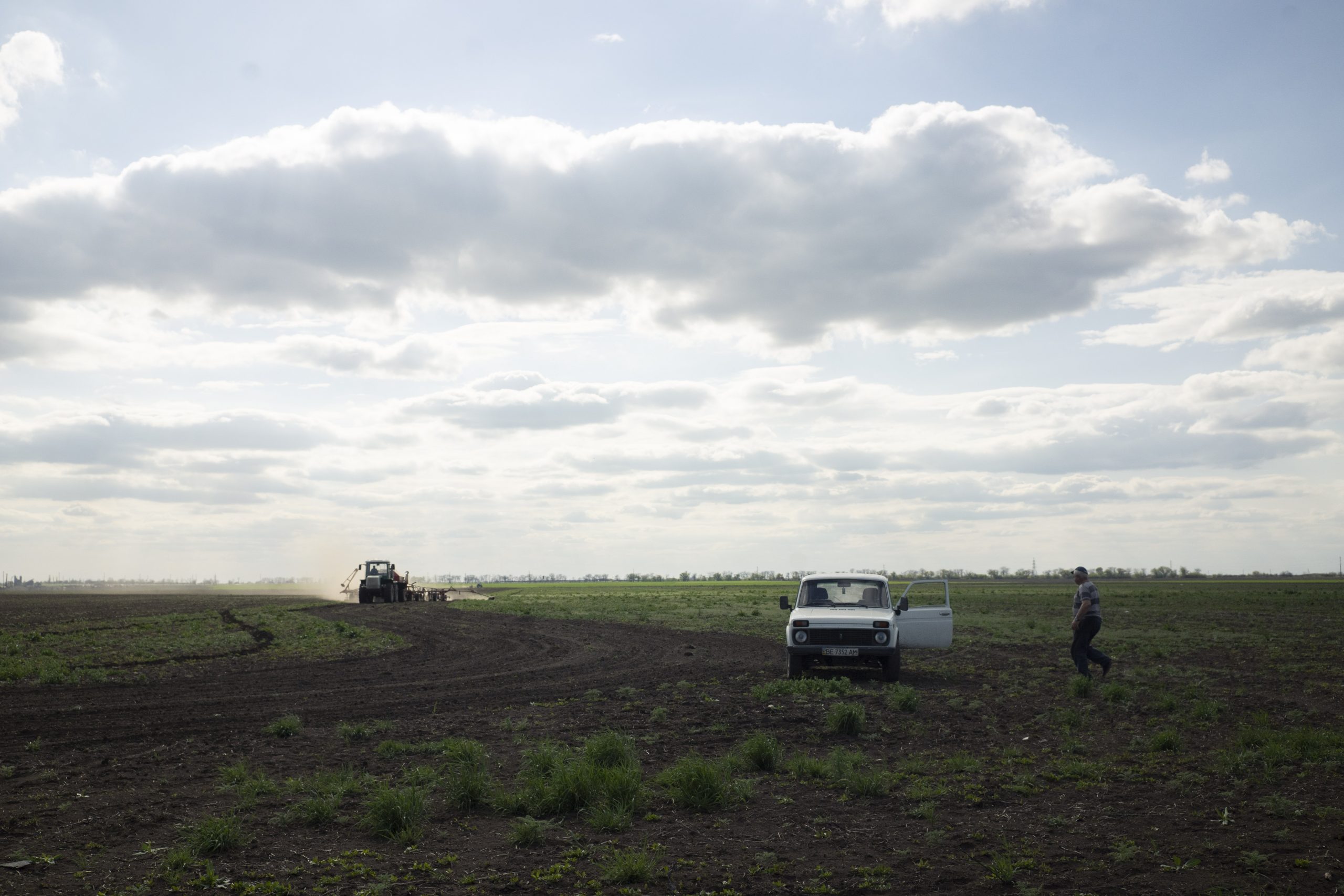
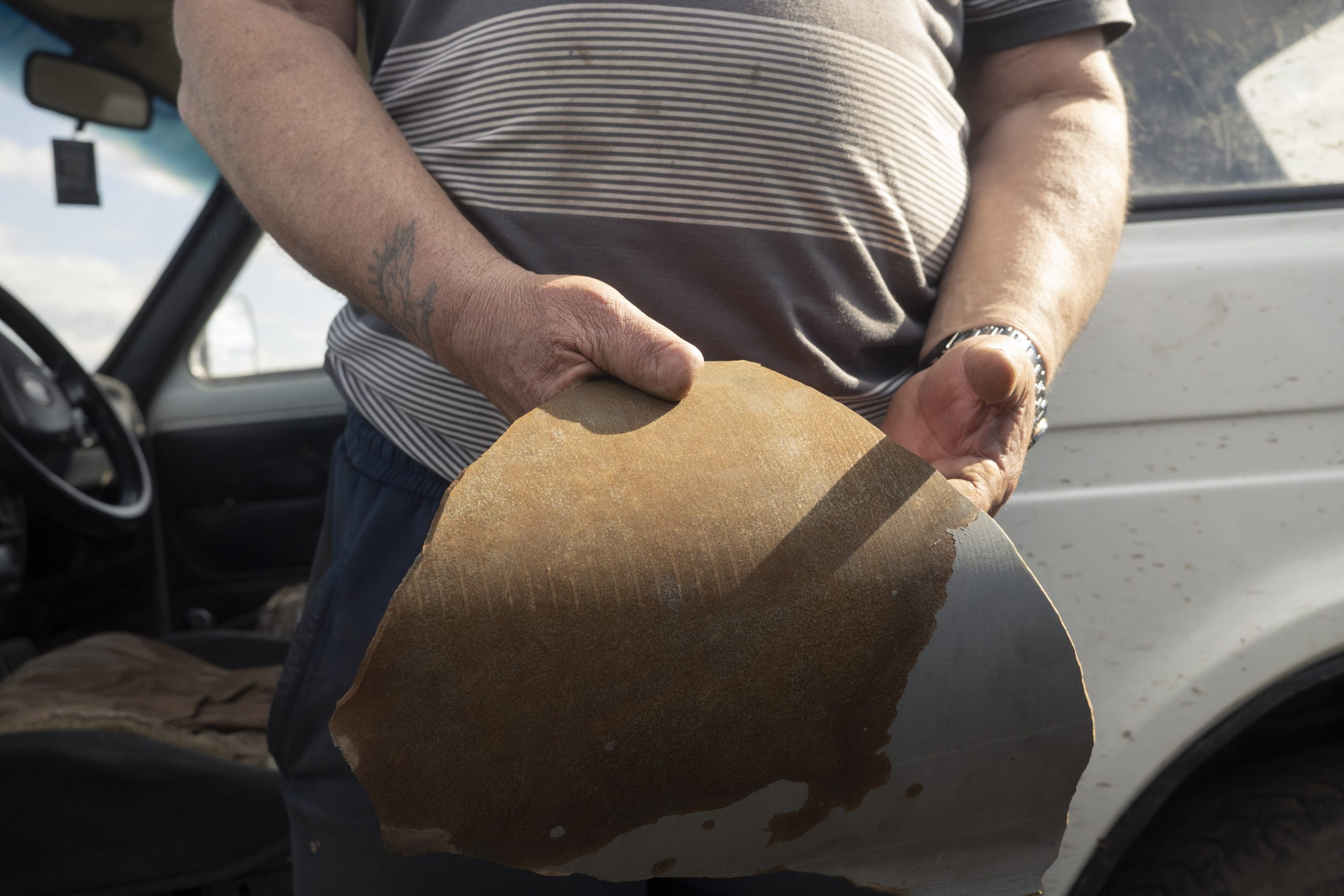
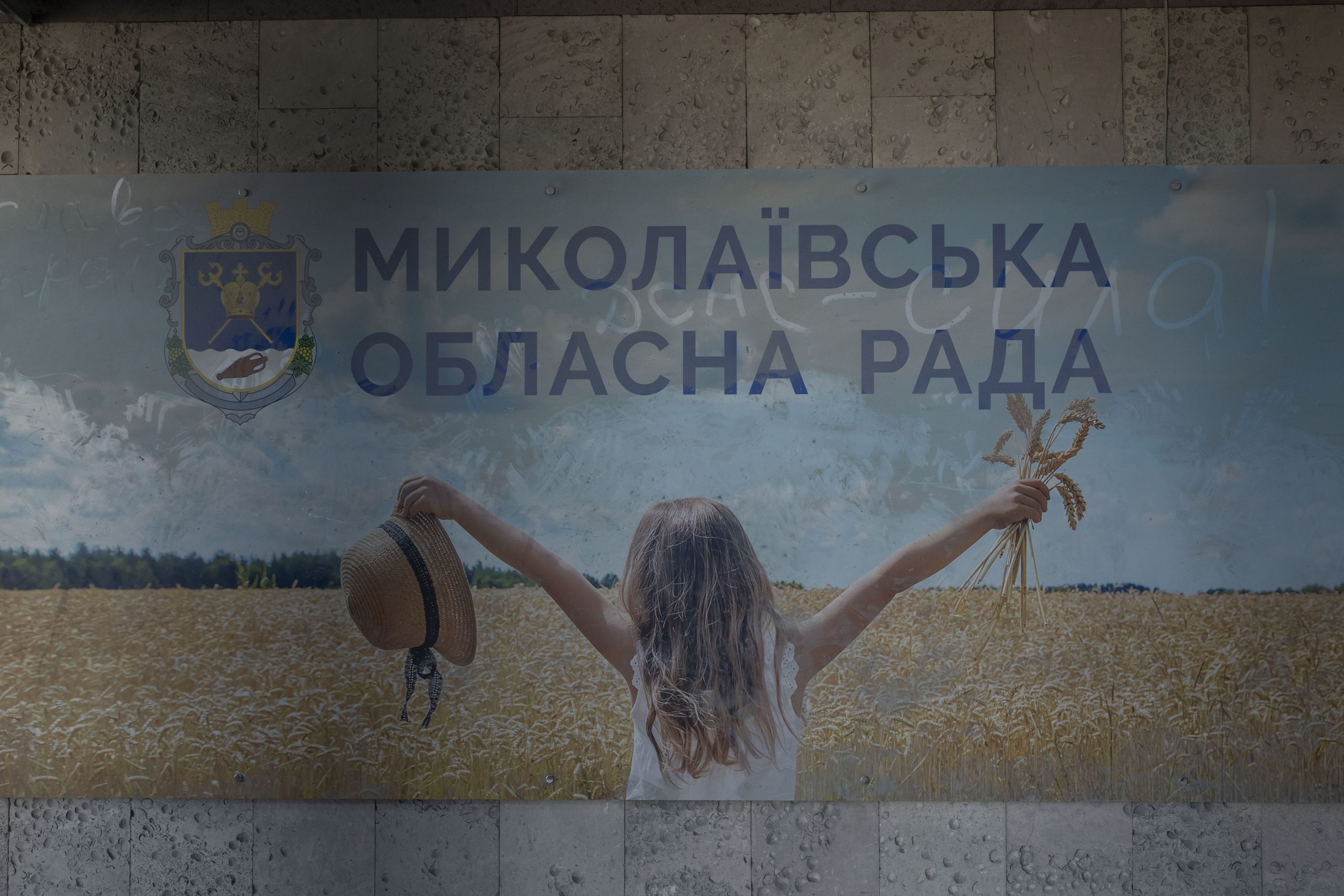
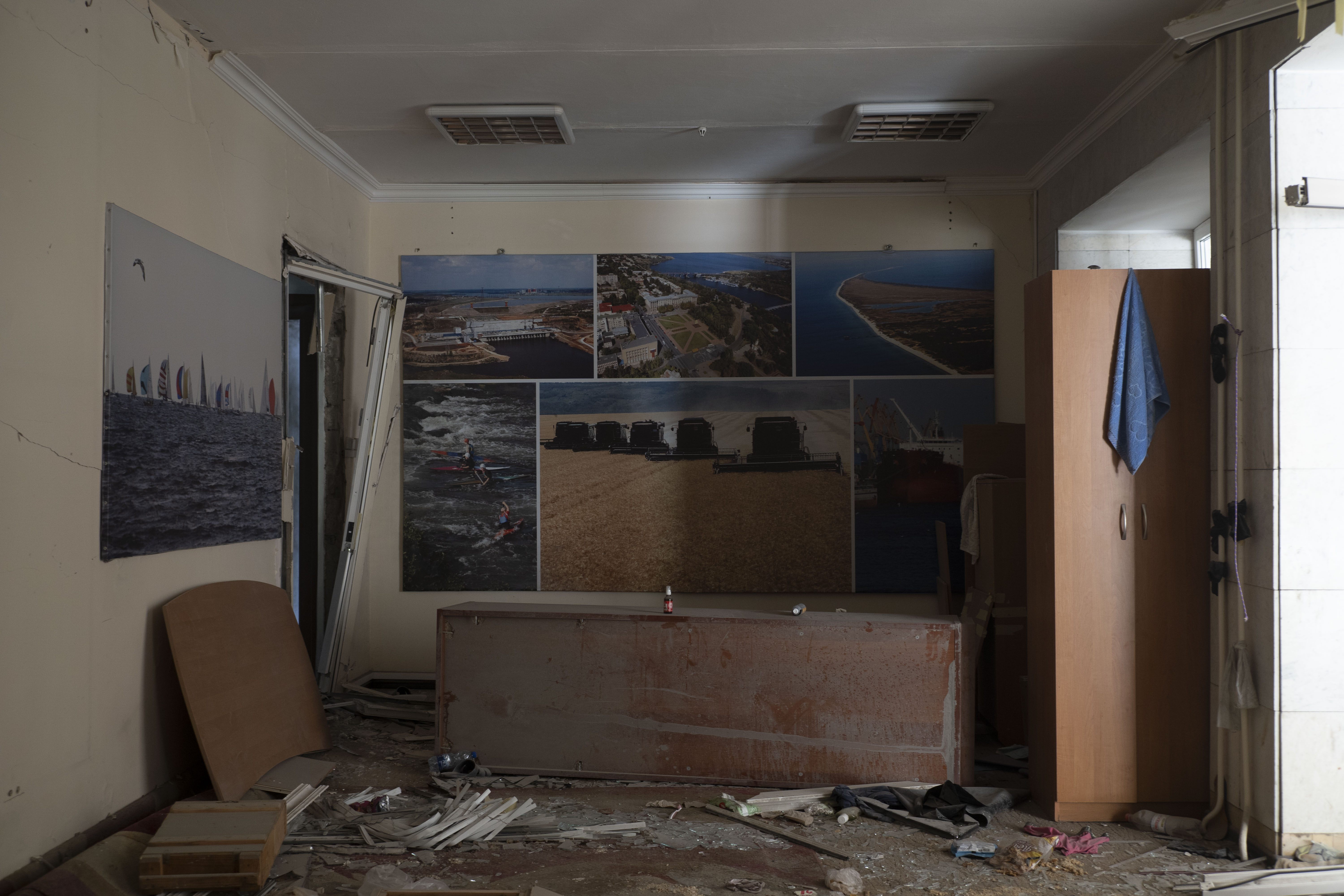
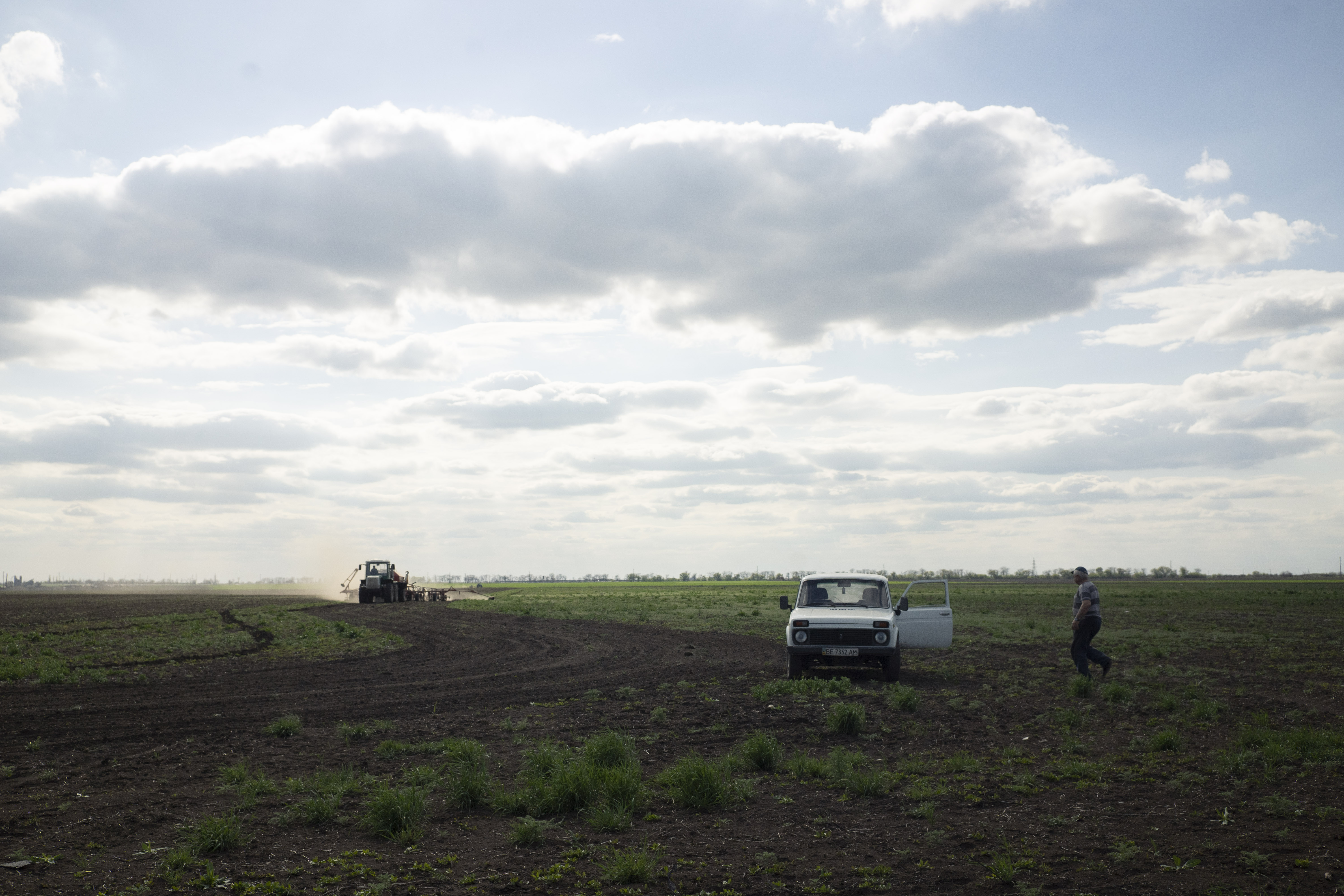
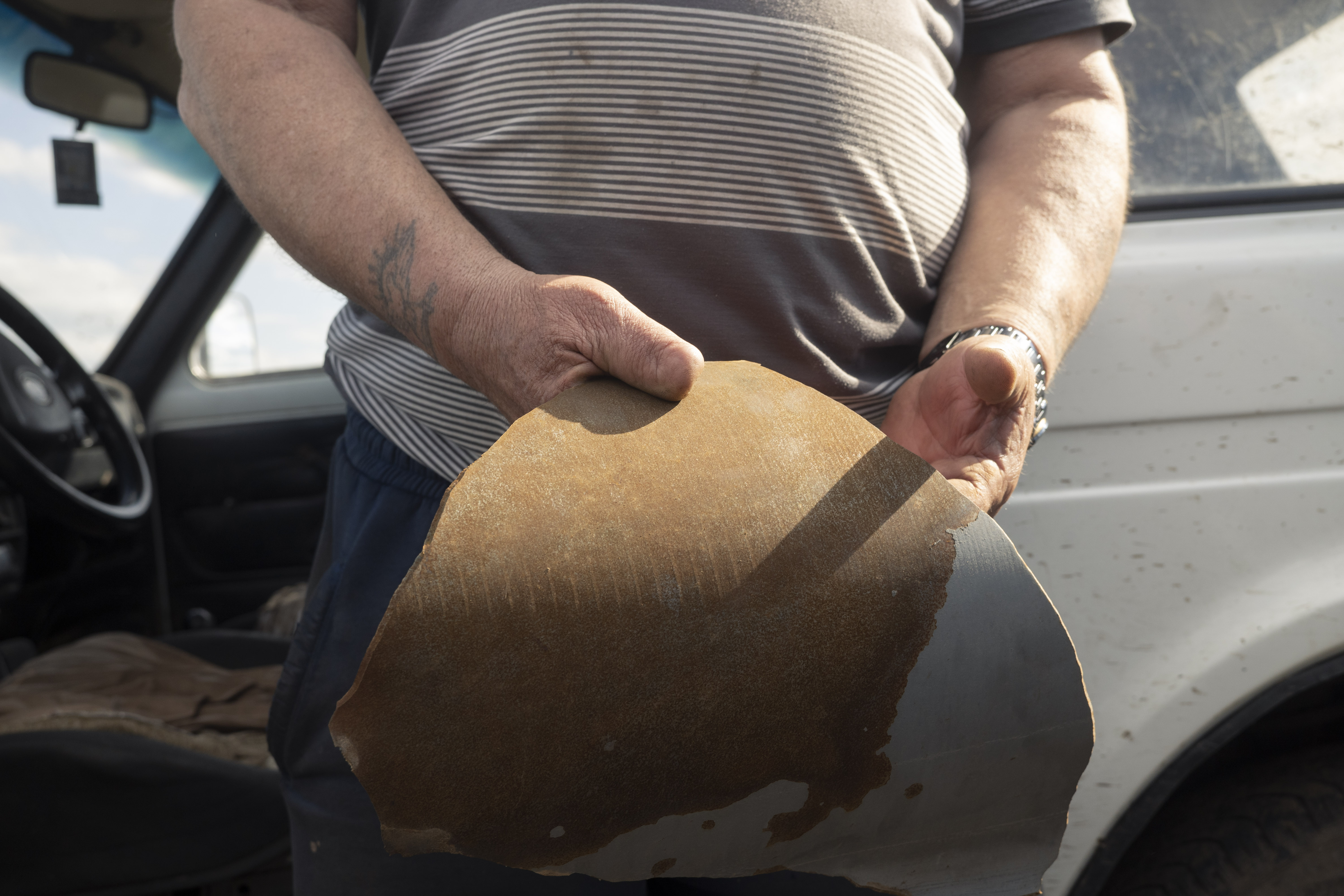
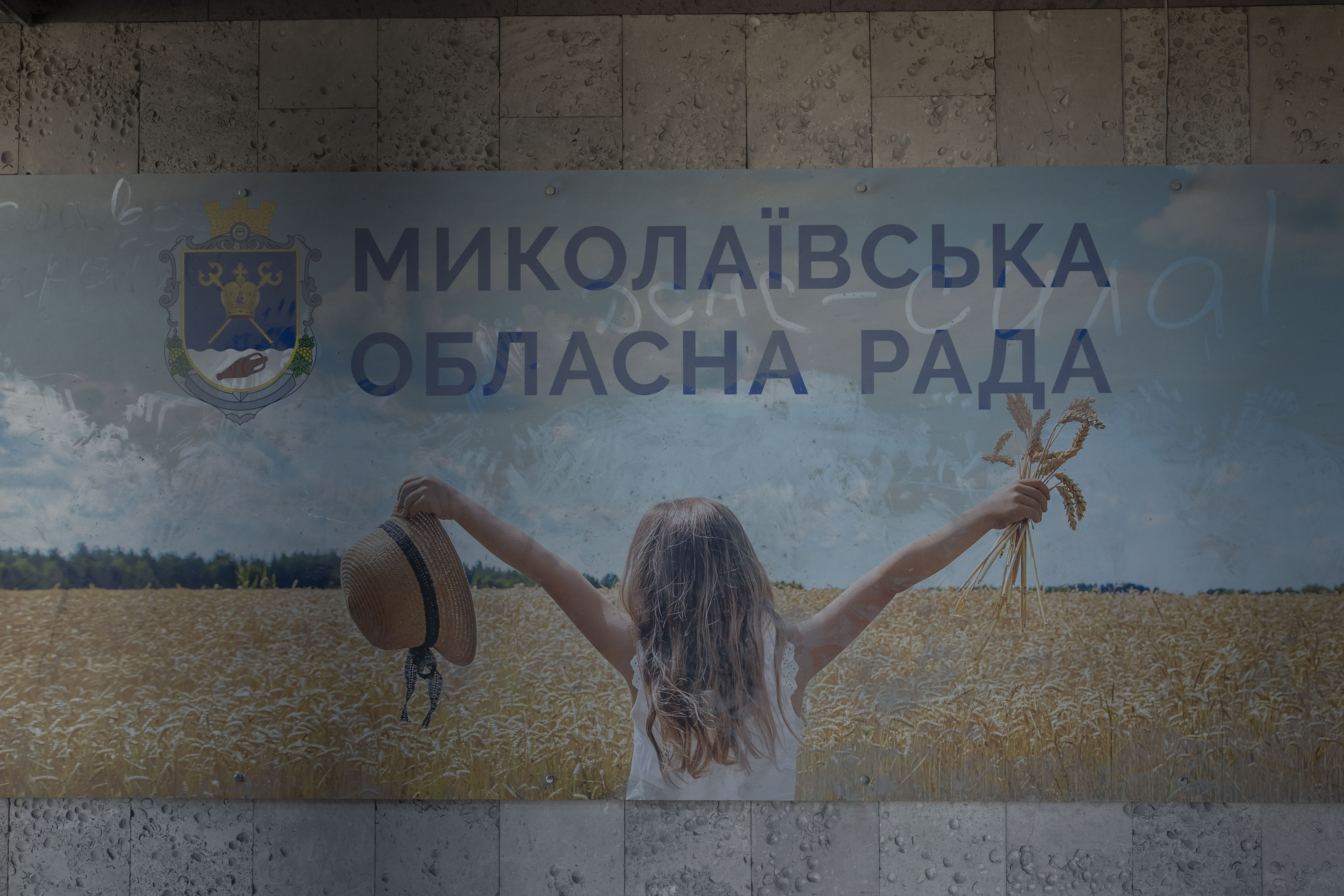
In the agricultural offices of the regional directorate in Mykolaiv. The building was bombed on in March.10 KM north of Mykolaiv, Vladimir’s looks on at his 700 hectares of land, including his cabbage fields.«It doesn’t fit into my head… how could they… Now we have to get used to this shooting. We go to work in the morning, we come back in the evening. We are still working.» Vladimir says. « Here’s our sprayer, we’re spraying today. Working. People are all working. Growing pigs, grains. Life goes on. It’s a bit scary but you can live with that. During the daytime, when you work, it’s fine, at night it’s somewhat creepy. »« I found this bomb fragment in my field » recounts Vladimir« Strength to the soldiers » is written in the dust on this sign in the hall of the Mykolaiv regional headquarters. On the poster « Mykolaiv, happy region »« We are still still waiting for the harvest in August»
The dramatic situation that the Ukranian people have been experiencing since February 2022 is well known. Less well reported is how agricultural production and farmers’ livelihoods have resisted and adapted since February 2022. This is a very important and timely interview related to power, food sovereignty, solidarity, and land. And for the latter, there are many considerations, from consolidation and access to grabbing and the future. Transcript of an interview with Natalia Mamonova. […]
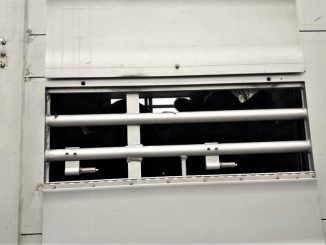
The European Parliament last week called on member states to step up enforcement of existing rules on protecting livestock during transport. MEPs are urging member states to ramp up spot checks, use tracking technology to monitor compliance, and apply tougher penalties for offenders. Transport times should be cut, but the preference is to phase out live exports altogether in favour of local slaughtering. And when animals are transported to non-EU countries, EU standards should be applied. […]
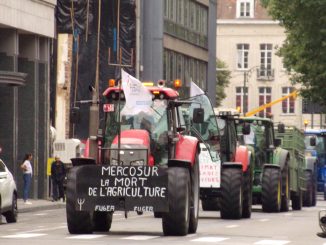
Several organisation representing farmers and environmentalists came together in Brussels to protest against the Mercosur trade deal yesterday. Responding to a call from the Belgian farmers group FUGEA, farmers and activists gathered outside the European Commission to protest against the threat posed by Mercosur to farmer incomes, the environment, and the rights of indigenous peoples in South America. […]





1 Trackback / Pingback
Comments are closed.