If we can put soils first in our farming and food policy: could regenerative agriculture be a reason for hope?



If we can put soils first in our farming and food policy: could regenerative agriculture be a reason for hope?
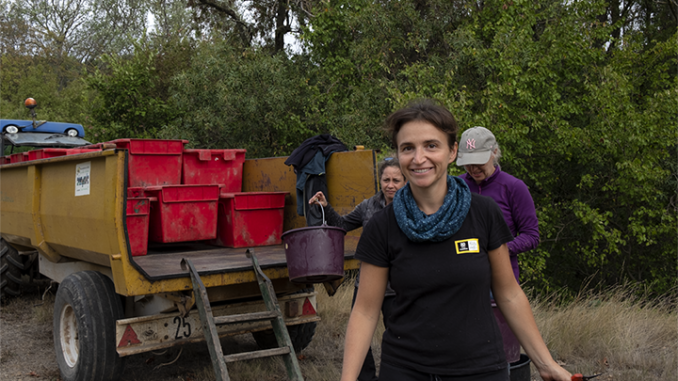
How are a new generation of French winegrowers responding to the extreme temperatures and droughts becoming more pronounced in recent years? This summer, Adèle Pautrat visited Sainte Marie des Crozes, an organic and biodynamic Domaine in the village of Douzens in southern France. […]
We’re back on Ciasnocha Family Farm, where Mateusz is counting his blessings after a fruitful season of experimenting and investing on the farm. Luckily he found time to travel beyond the farm gate too, to seek and share knowledge, taking part in the UN Food Systems Summit, and COP26, where he championed regenerative agriculture and climate smart farming. Mateusz takes us through a memorable year on and off the farm. […]
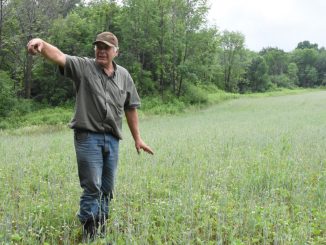
“Am I really prepared to poison the kids?” wondered American wheat farmer Klaas Martens, after an injury that he suspects was caused by herbicides. He has since converted the whole farm to organic. These days, he pays attention to the story his ‘weeds’ tell him, nurturing the community of organisms in his soil – and building community knowledge among farmers. Excerpt from a book by Marianne Landzettel. […]
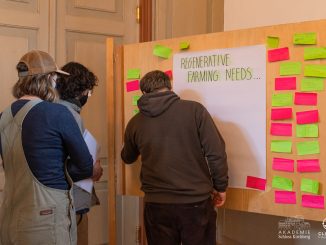
A Manifesto for Regenerative Agriculture was signed by participants of the first Climate Farming Congress which took place in Germany this month. Experts and practitioners came together with the objective of unifying the voice of regenerative agriculture in Europe. […]
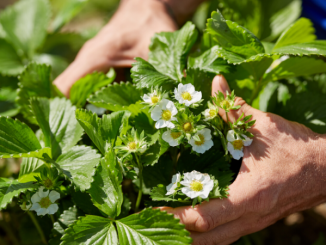
Feeding the soil and avoiding fossil fuels is the Holy Grail of sustainable farming. Techno-solutions aside, this will entail working with nature by mimicking nature – and harnessing the capabilities of ruminants. In the final installment of this series, Stuart Meikle outlines solutions for fossil fuel-free farming. […]
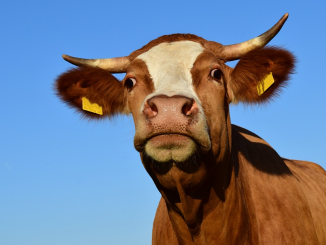
It’s tempting to blame burping cows for methane emissions. But while nature cannot distinguish between naturally occurring methane and methane derived from fossil fuels and anthropological activity, humans can – and should. Methane has a role to play in sustainable farming. We cannot let the debate around methane emissions cloud the broader benefits of farming with ruminants, argues Stuart Meikle in part three of this series. […]
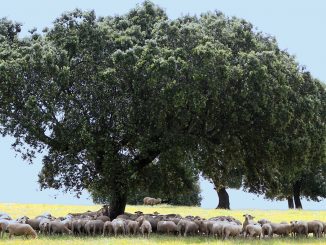
Despite the climate change mitigation emphasis on carbon sequestration, building soil carbon is first about food security, second about atmospheric carbon drawdown. By working with nature’s natural cycles to provide nutritious food with a low environmental footprint, Regenerative Agriculture will provide the transition from fossil-fuelled agro-chemistry to utilizing the farm’s natural resources, argues Stuart Meikle in the second part of this series. […]
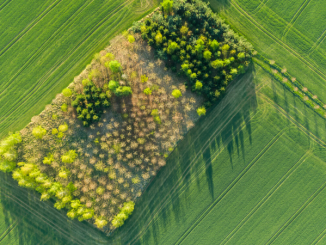
Few people realize how their food comfort zone is shrinking. Where we are now is the starting point for an ecologically and biologically-based agricultural revolution. And it starts with the soil. We must adopt an ecosystem approach to identify sustainable food systems that can exist within our planet’s boundaries, argues Stuart Meikle in the first of a four-part series. […]
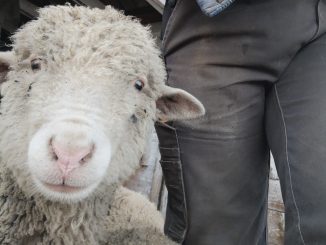
We’re back on Zsámbok farm in Hungary, where Matthew, Kata and the team have been doing some deep thinking about the ethics of taking a life as they slaughter their first sheep. The farm is trying to strike a balance between respecting traditions while pursuing sustainability and efficiency, writes Matthew – and learning as they go. […]
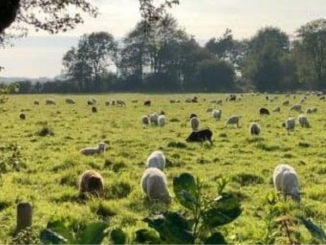
Livestock farmers Jen and Andy of Fernhill Farm in Somerset, England have been practicing regenerative agriculture since before they had a name for it. Twenty years ago their “extensive nomadic ways” were dismissed as too traditional; now it’s clear these pioneers of sustainable agroecology were ahead of their time. Ursula Billington tells us more. […]
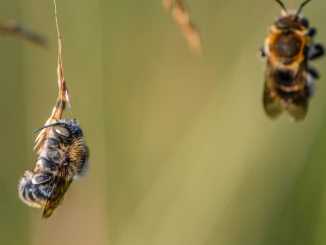
In the third and final installment in this series on regenerative agriculture, Peter Dunne explains how regenerative agriculture is about working with nature, not suppressing it. We’re often told nature and agriculture can’t share the same space. But we urgently need a paradigm shift, because true resilience only comes through diversity. […]
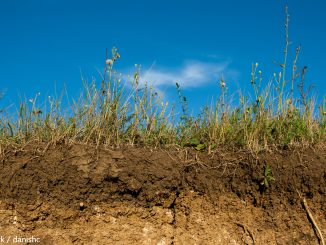
In the second installment of an exclusive series on regenerative agriculture, Peter Dunne unpacks the rise of agrochemicals and the noxious legacy of the Green Revolution. He argues that regenerative agriculture is a reason for hope, if only we can put soils first in our farming and food policy.
[…]
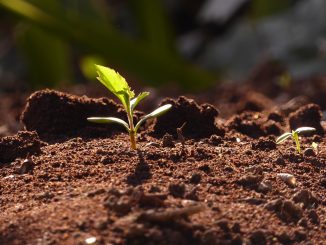
Woody Harrelson and Kiss the Ground may have brought the approach to a wider audience, but regenerative agriculture is nothing new. In the first installment of a three-part series, Peter Dunne explains what regenerative agriculture is, and why we should extract with the knowledge and intent to replenish. […]
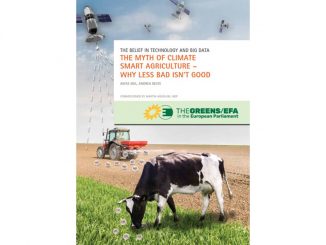
The “modern” intensive agricultural system does the climate more harm than good. That’s a fact, no matter how much Big Data or precision farming you throw at it. We need to look outside that system for solutions. In this excerpt from an evidence-based study commissioned by Martin Häusling MEP, Dr Andrea Beste and Dr Anita Idel question the climate potential of precision agriculture and the demonization of cattle, and make the case for grazing animals, organic farming, agroforestry and permaculture. […]
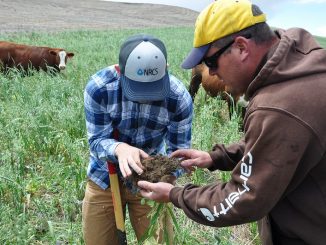
In this three part series we present an analysis by Dr. Andrea Beste on the similarities, differences and synergies between the organic, agroecological and regenerative farming movements. Part three here outlines the relatively new regenerative agriculture movement. A German version of the entire series is also available if you click through. […]
Agricultural and Rural Convention