Paul Lemaire is a photojournalist who has recently left southern Ukraine. Here we present a photo essay from his time in the countryside around the city of Mykolaiv, near the Black Sea between Odesa and Kherson. At the end of April, Paul spent some time with farmers Vladimir and Ivan, as they’ve tried to carry with their work in rural Ukraine. Here we feature, for the first time, his photos from this visit. All photos (c) ARC2020.
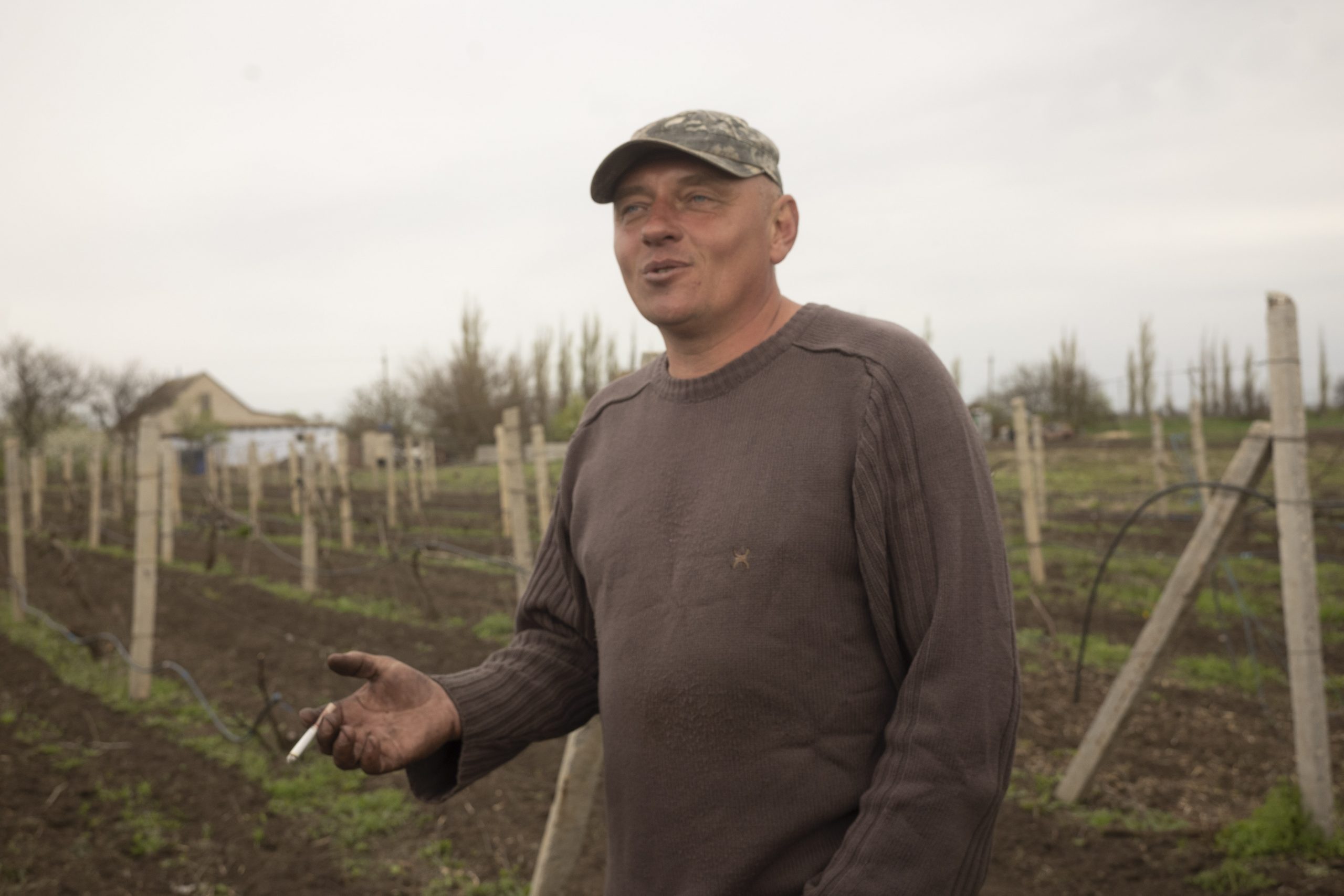
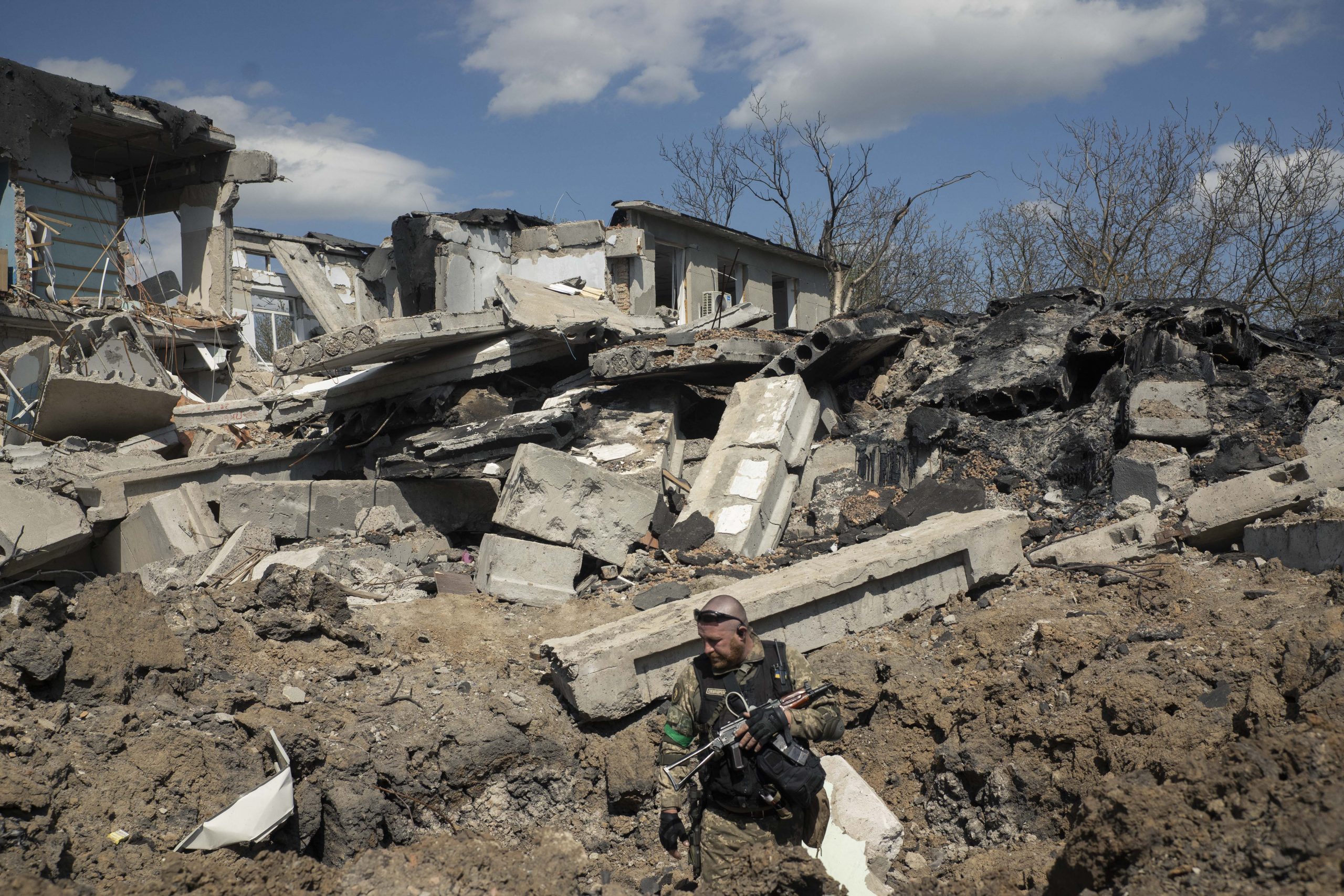
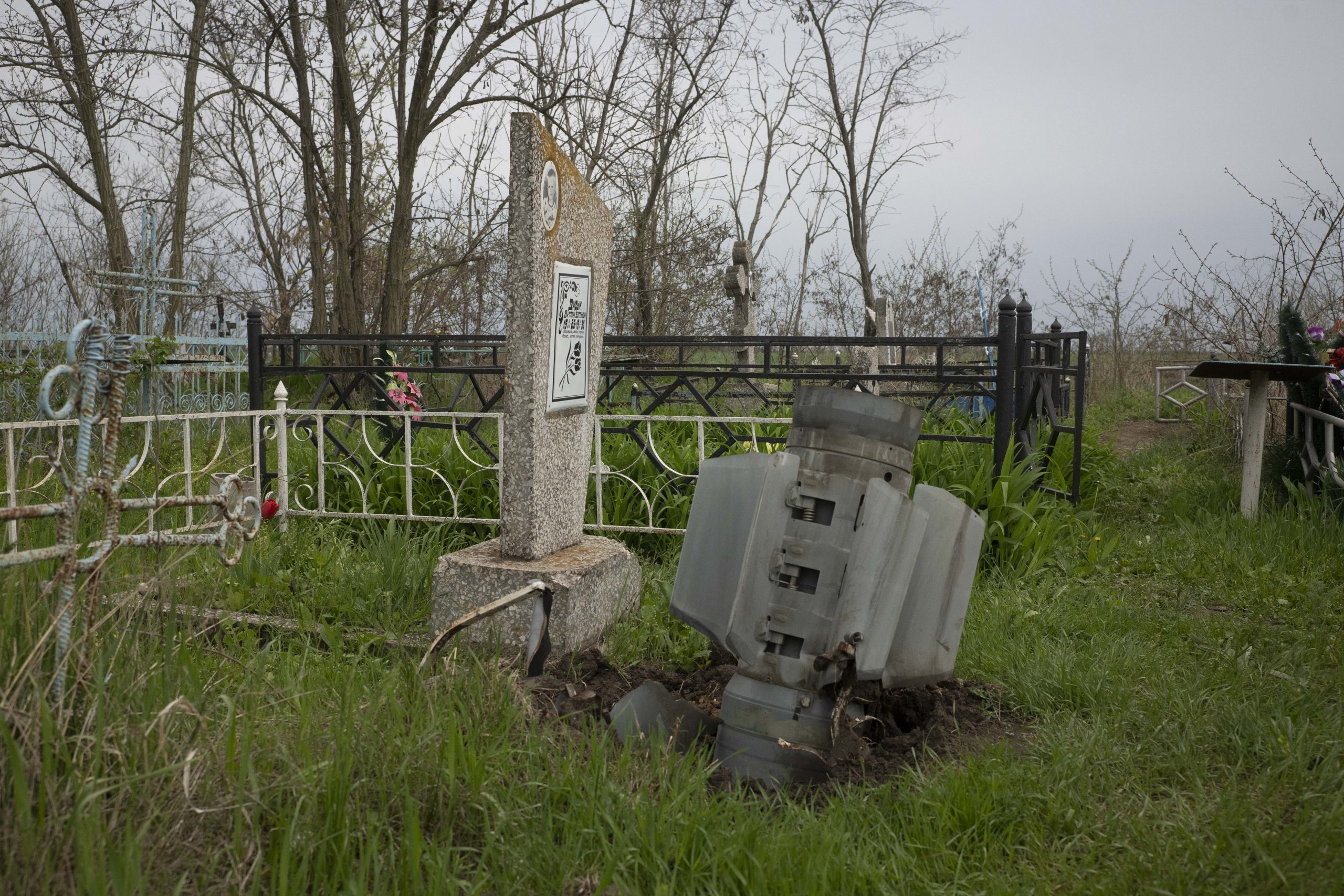
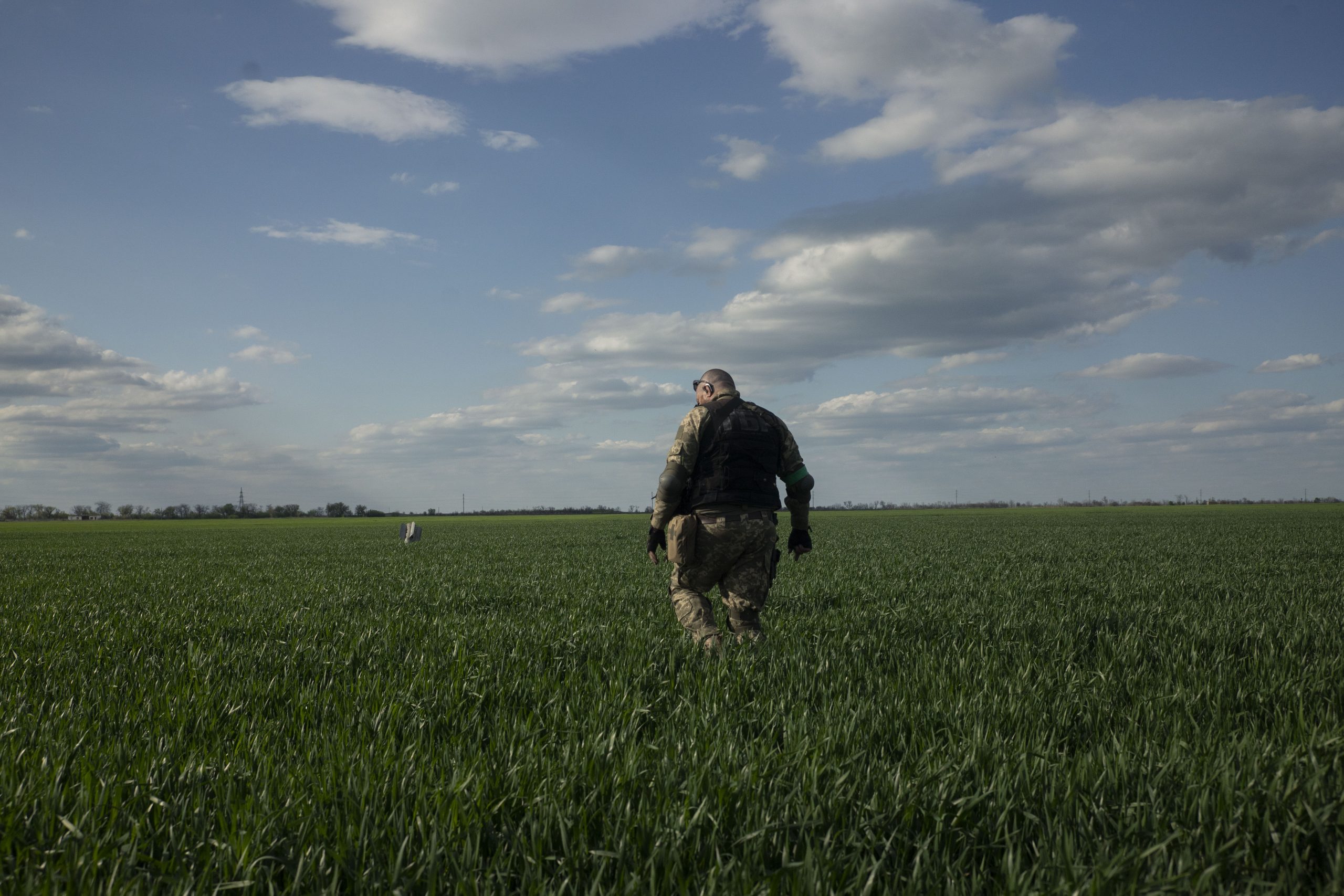
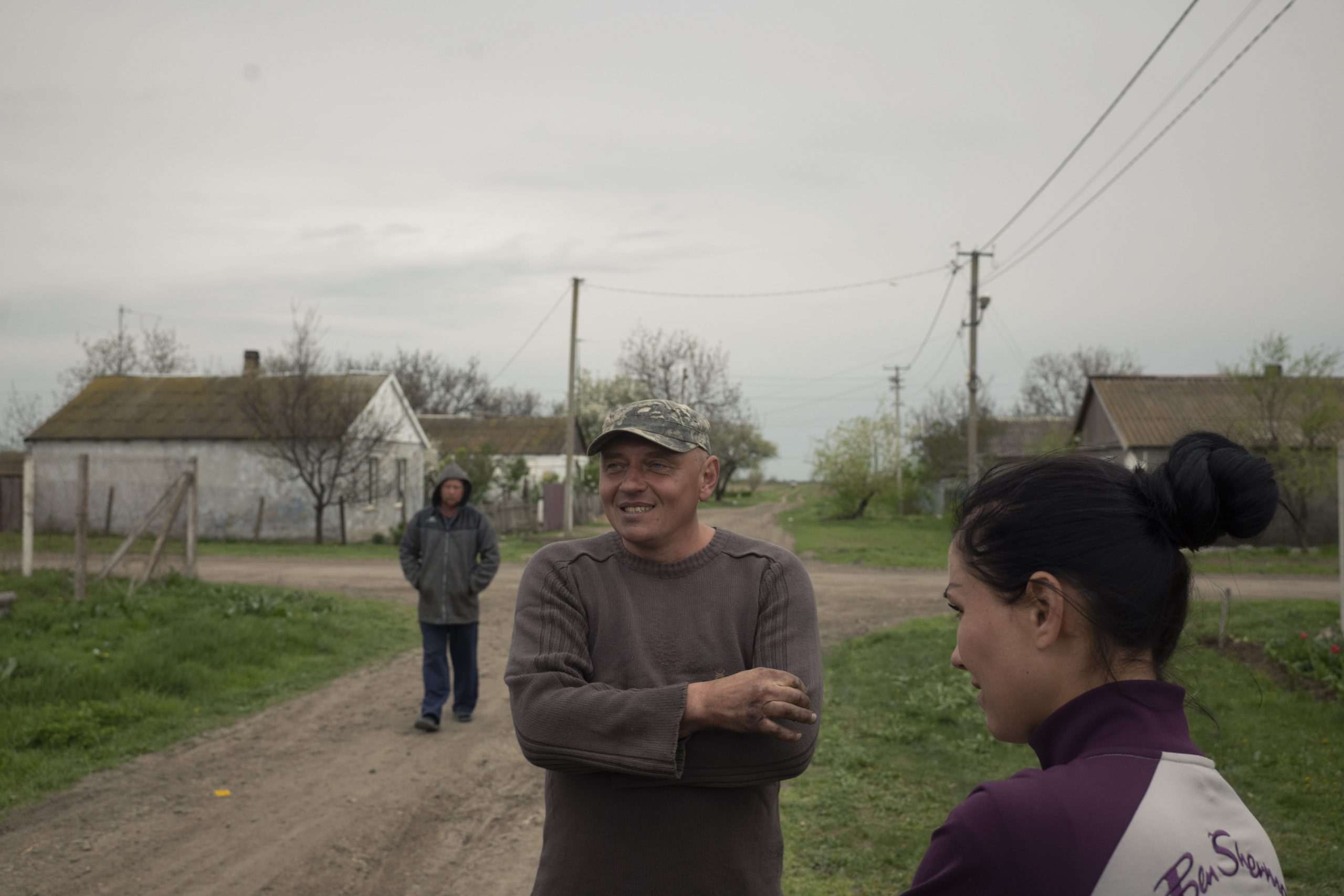
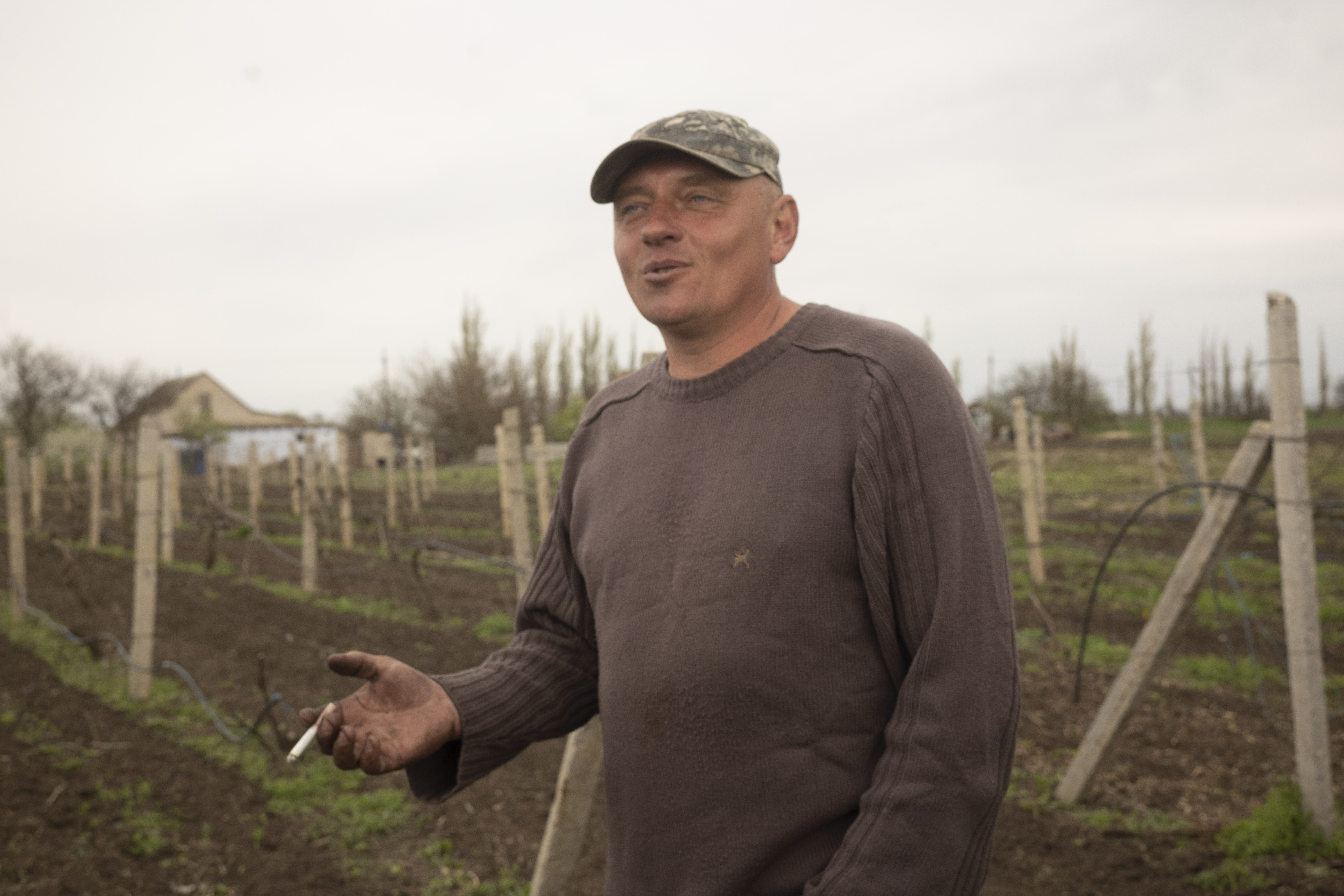
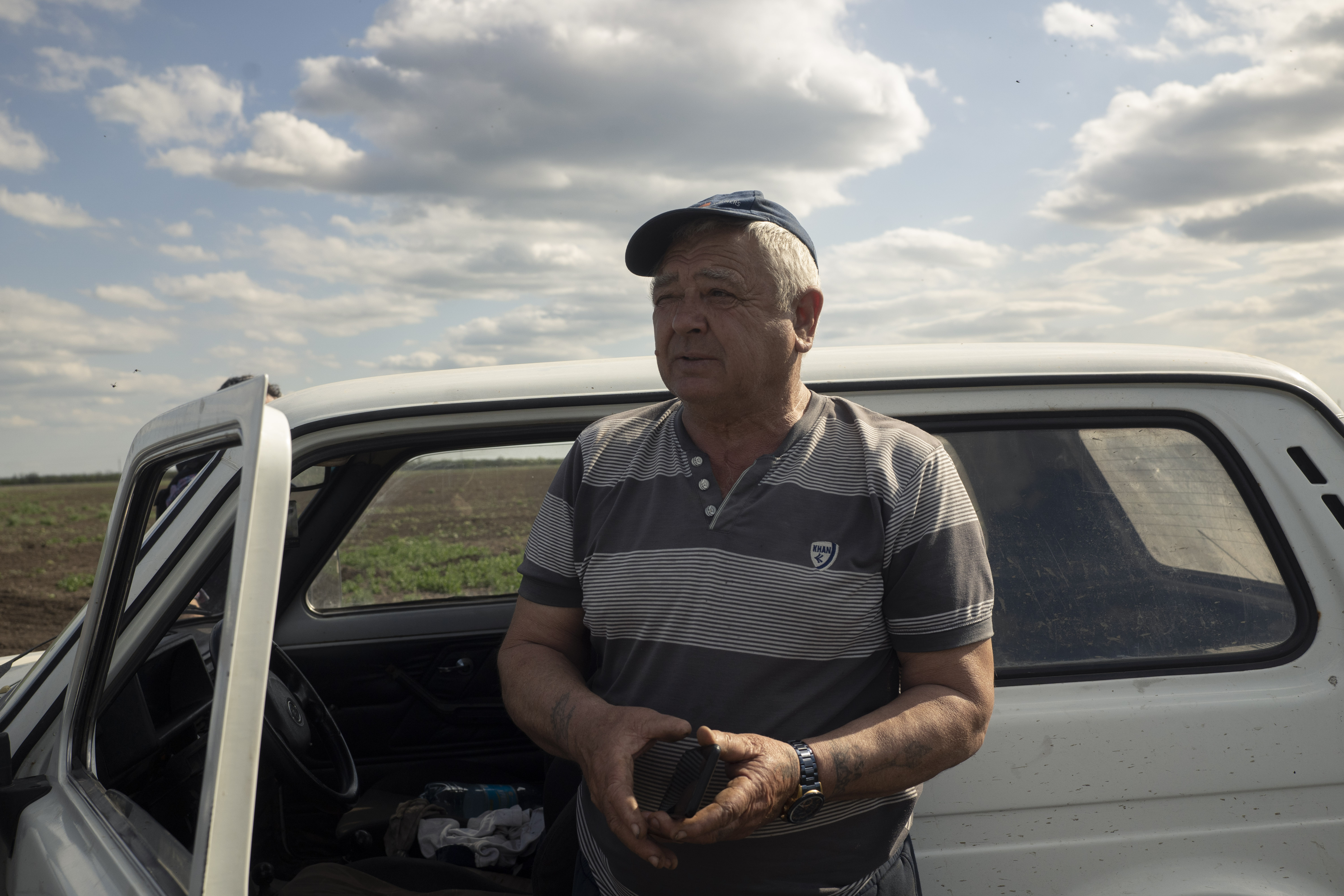
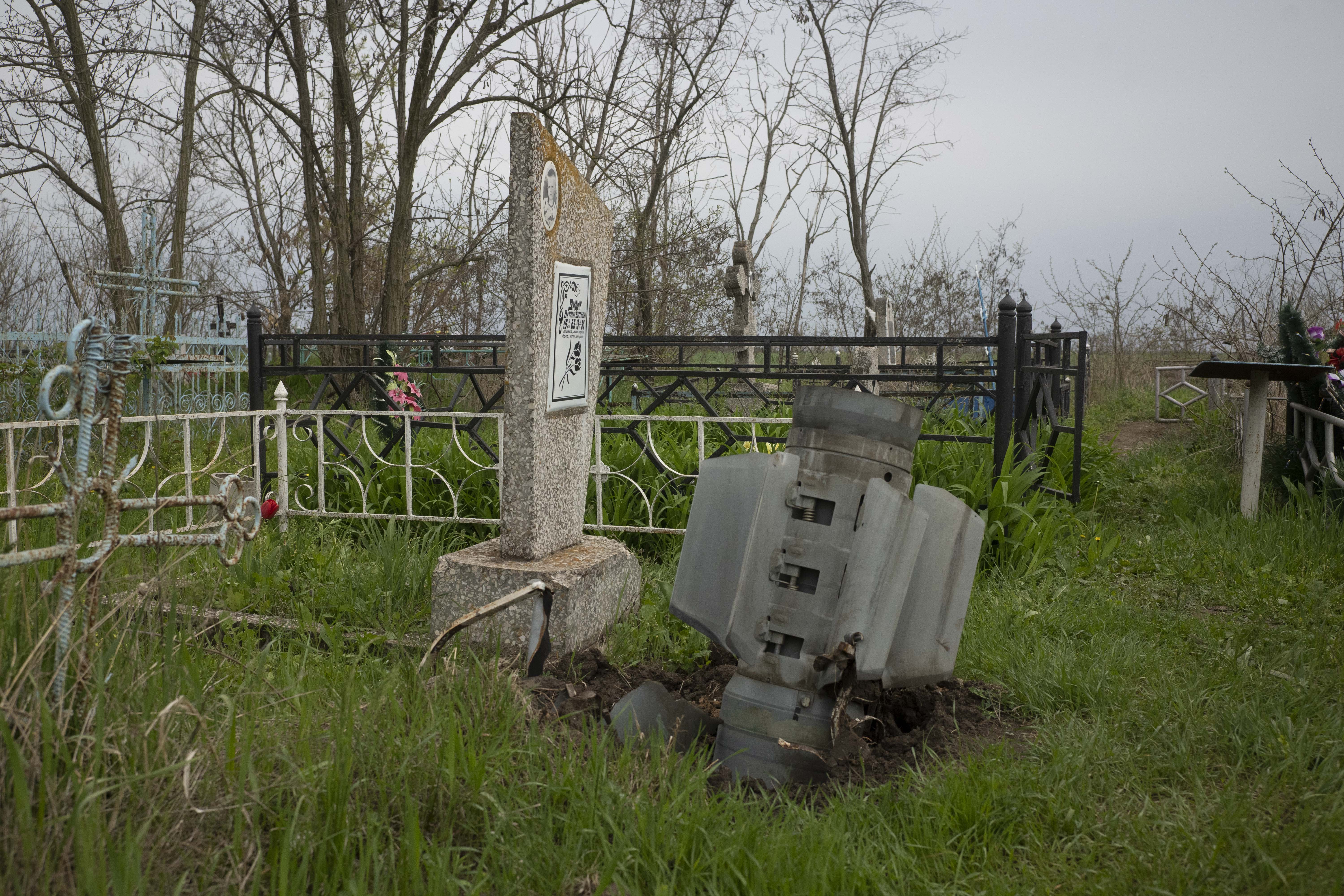
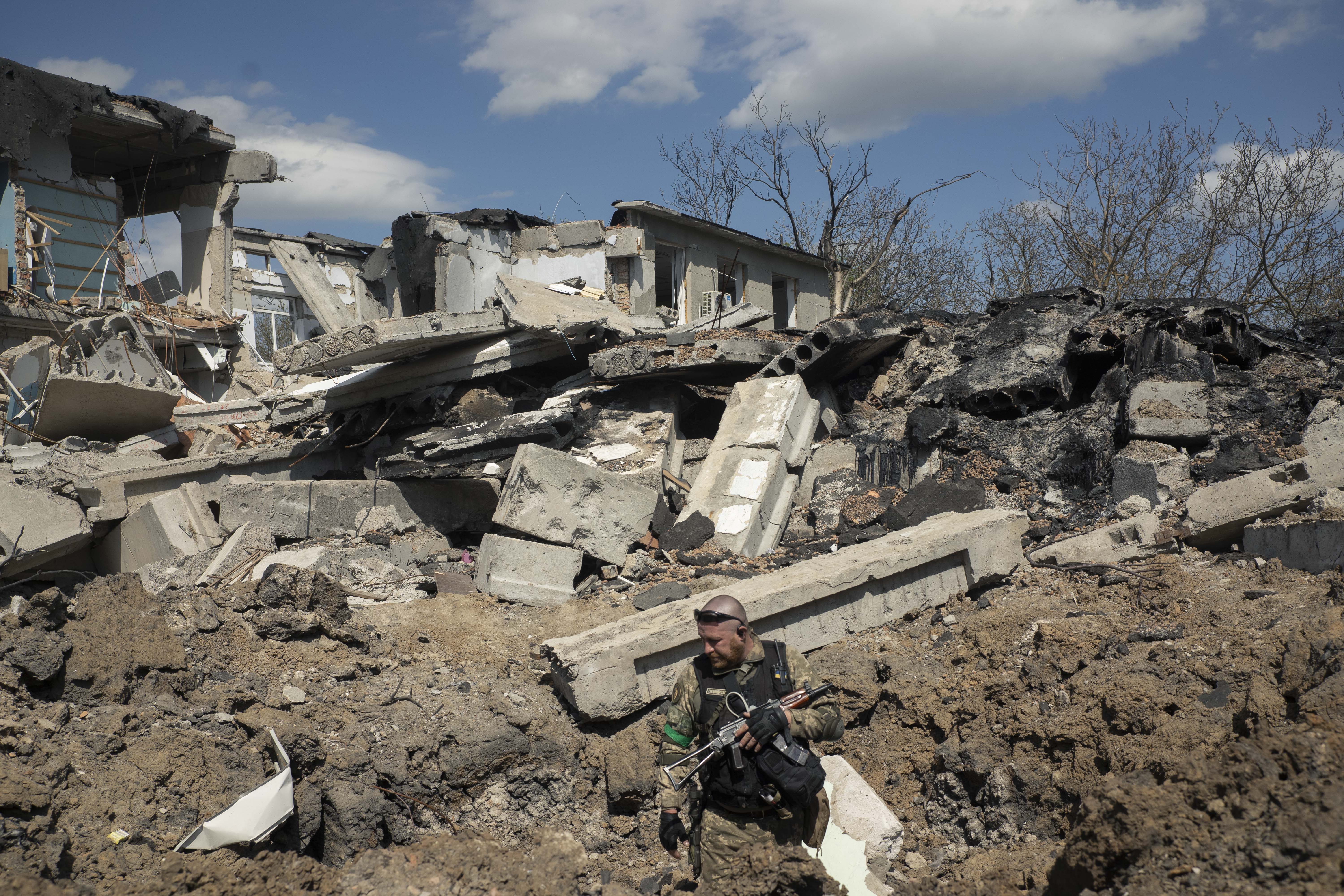
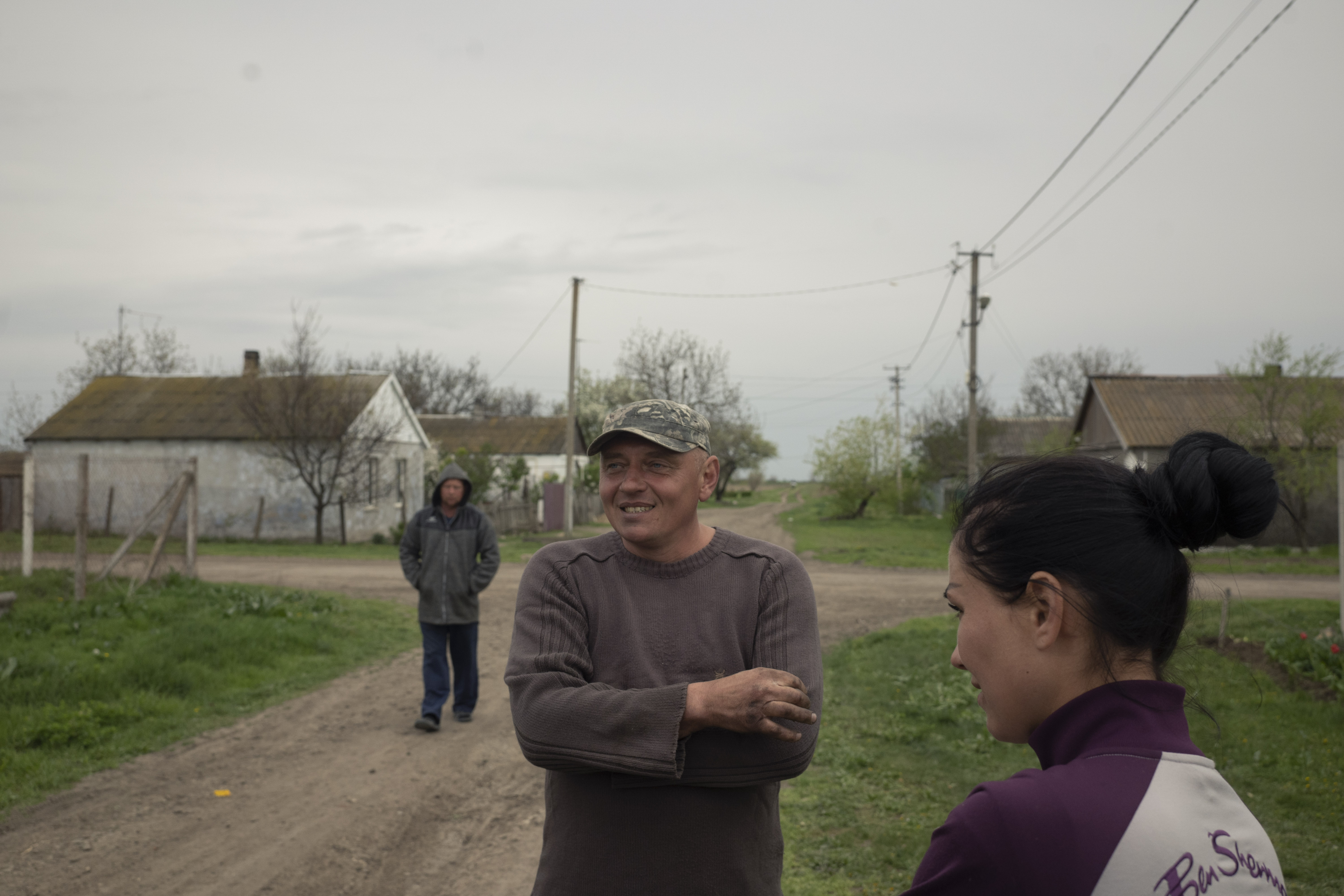
Zelenyi-Hai, 20km east of Mykolaiv. Ivan is a grape farmer. War has severely damaged water supply from Russian-occupied Kherson. « This is our land, this is our home, we will not leave ». 5km from the front line, Ivan refuses to leave with his children. “Where would we go? He points out that he will lack the inputs and water to grow his grapes. The season is particularly dry in Ukraine this year. There may be unexploded ordnance in the fields » he says. The school in the village of Zelenyi Hai, 15 km east of Mykolaiv. In April, fighting devastated this town. Belligerents exchanged positions on 27 April 2022.« This Russian missile is part of the scenery in this region where some villages further east and south have been occupied for weeks. » Ivan says.A Home Guard soldier approaches an unexploded bomb in a field 10km north of Mykolaiv.
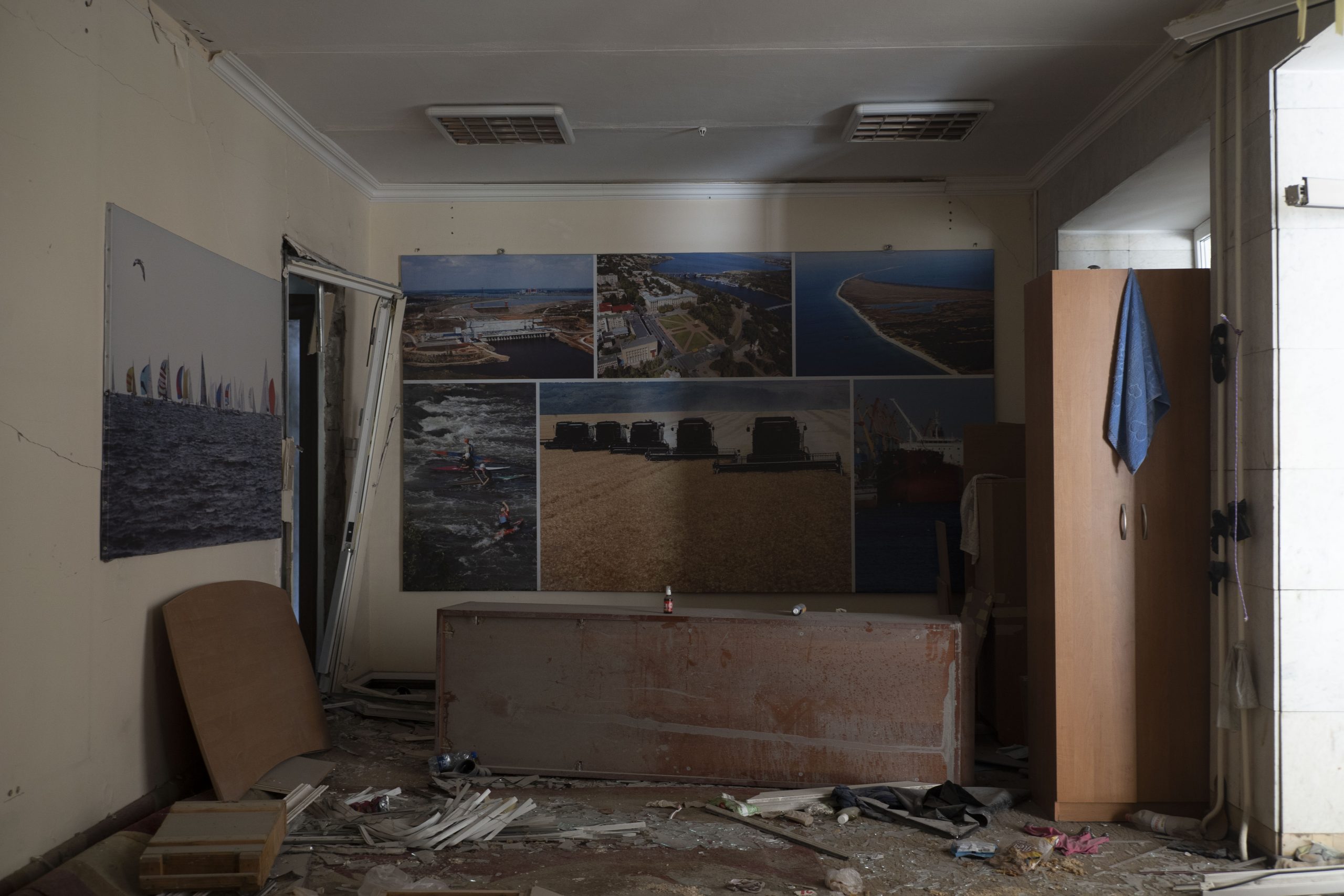
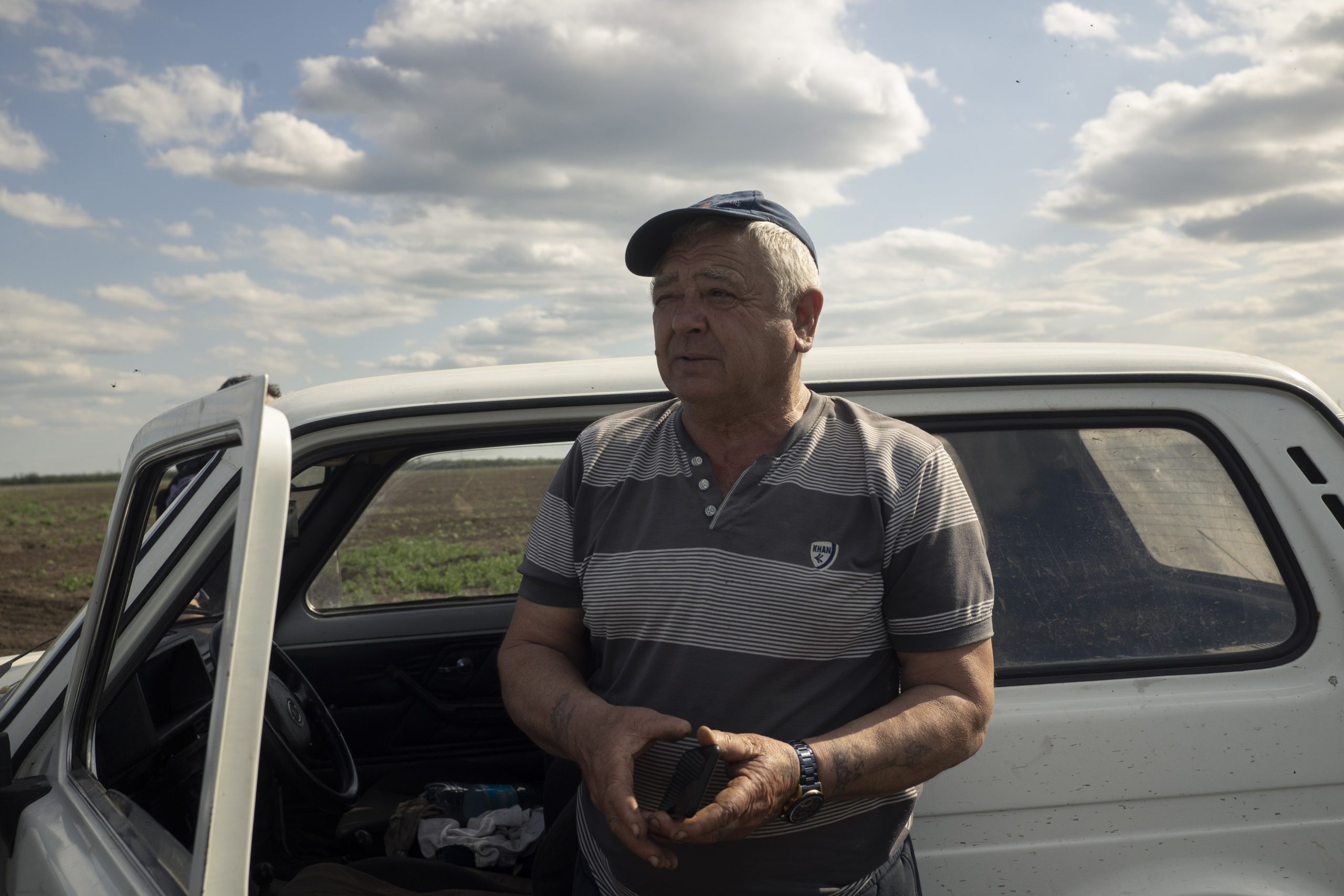
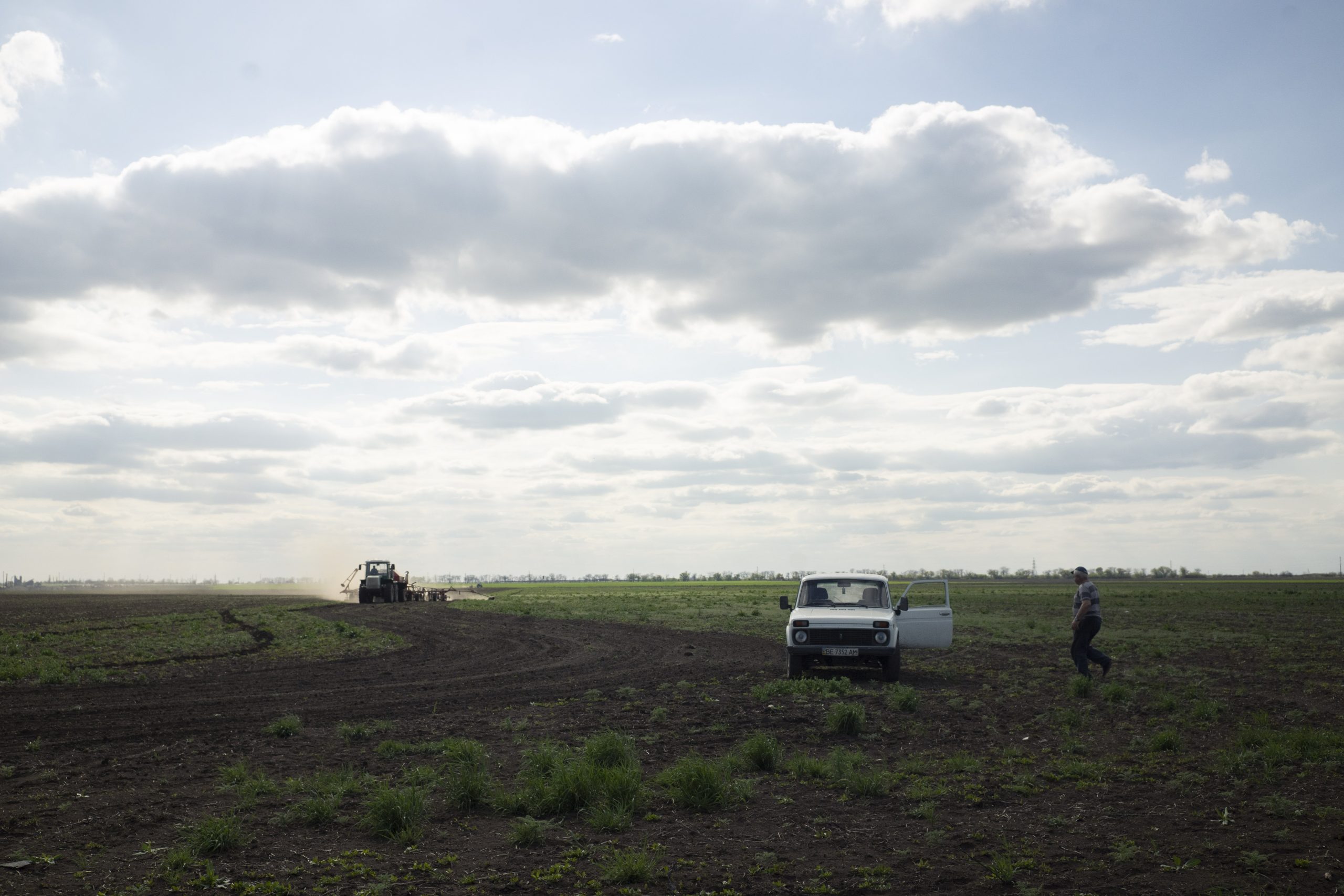
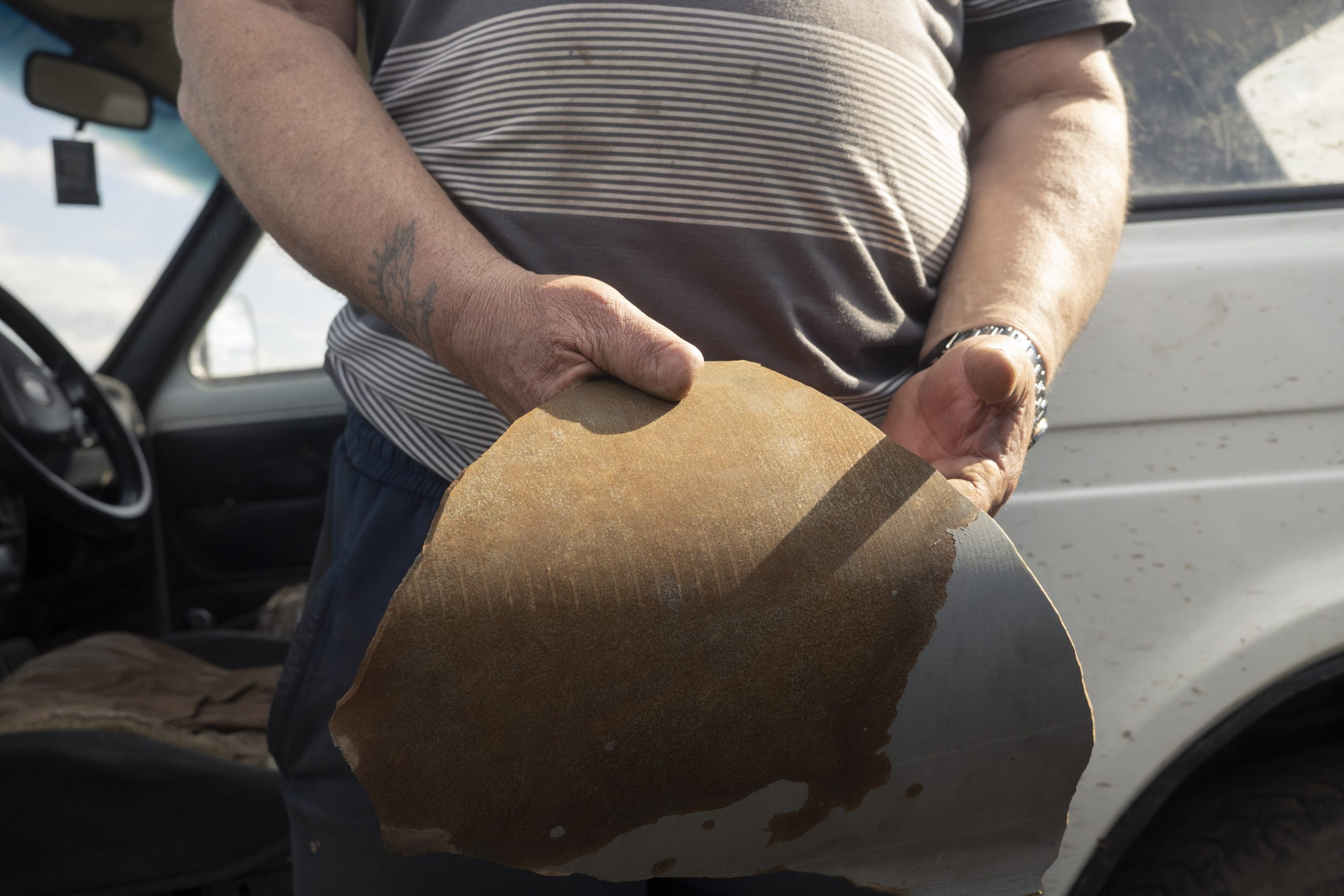
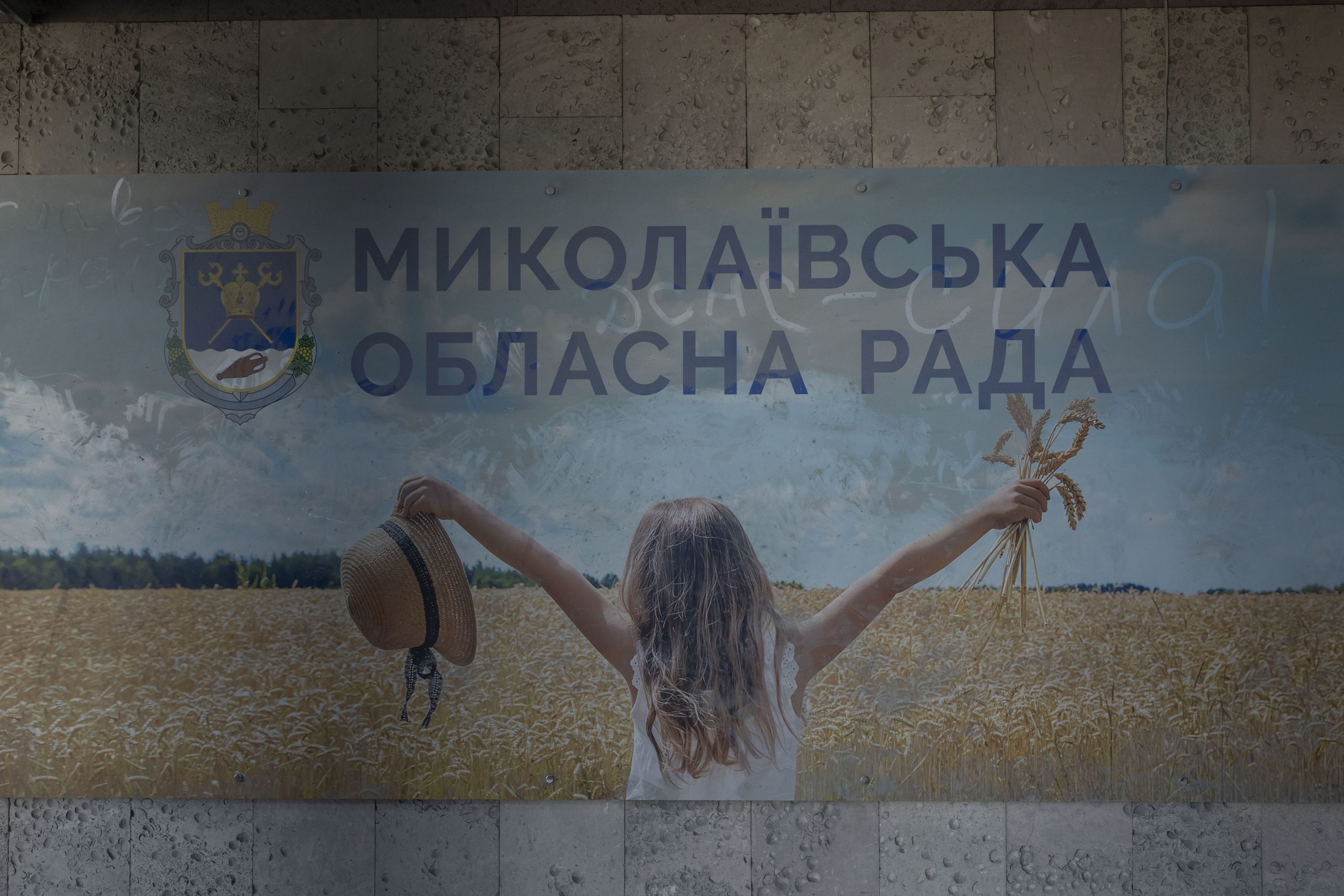
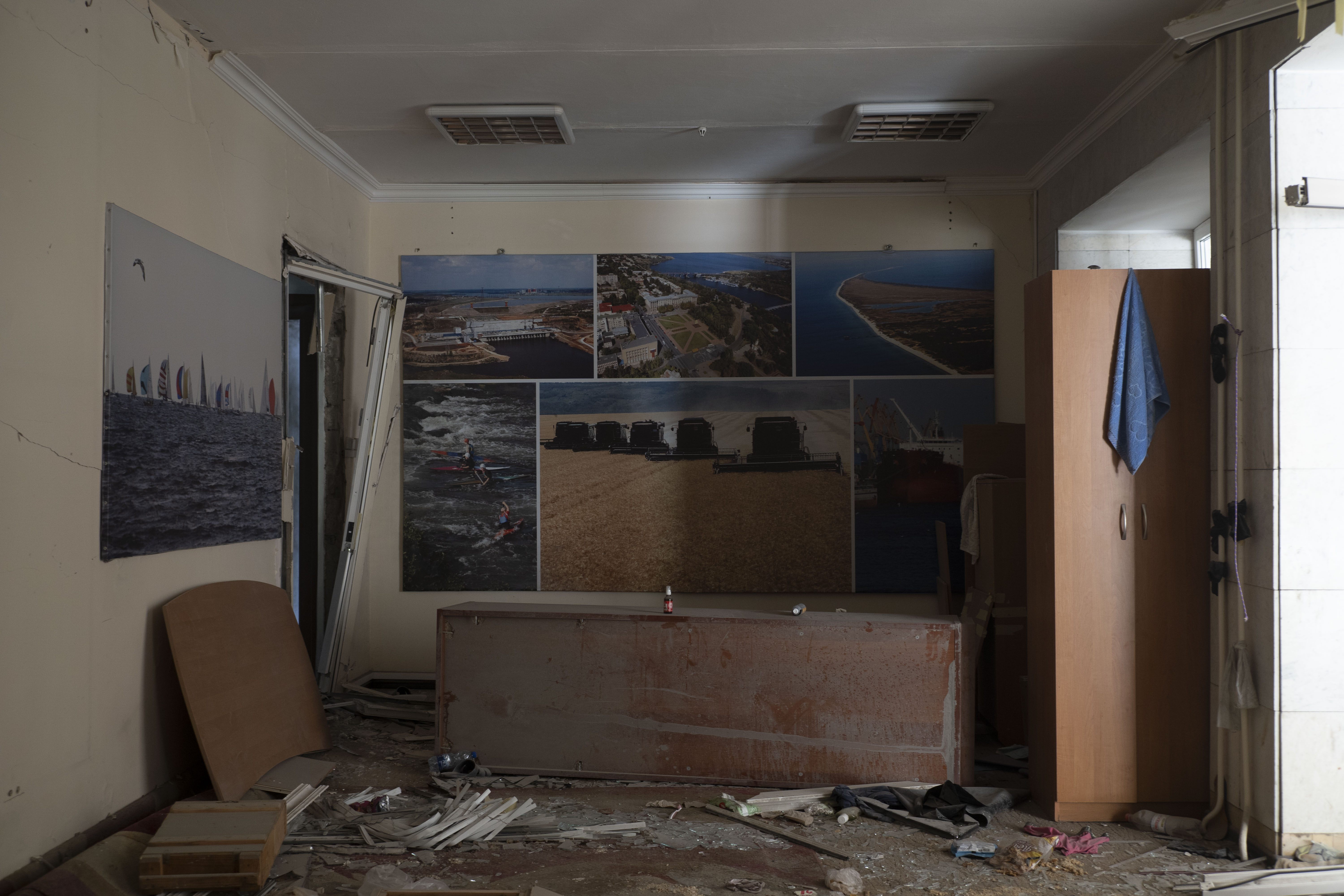
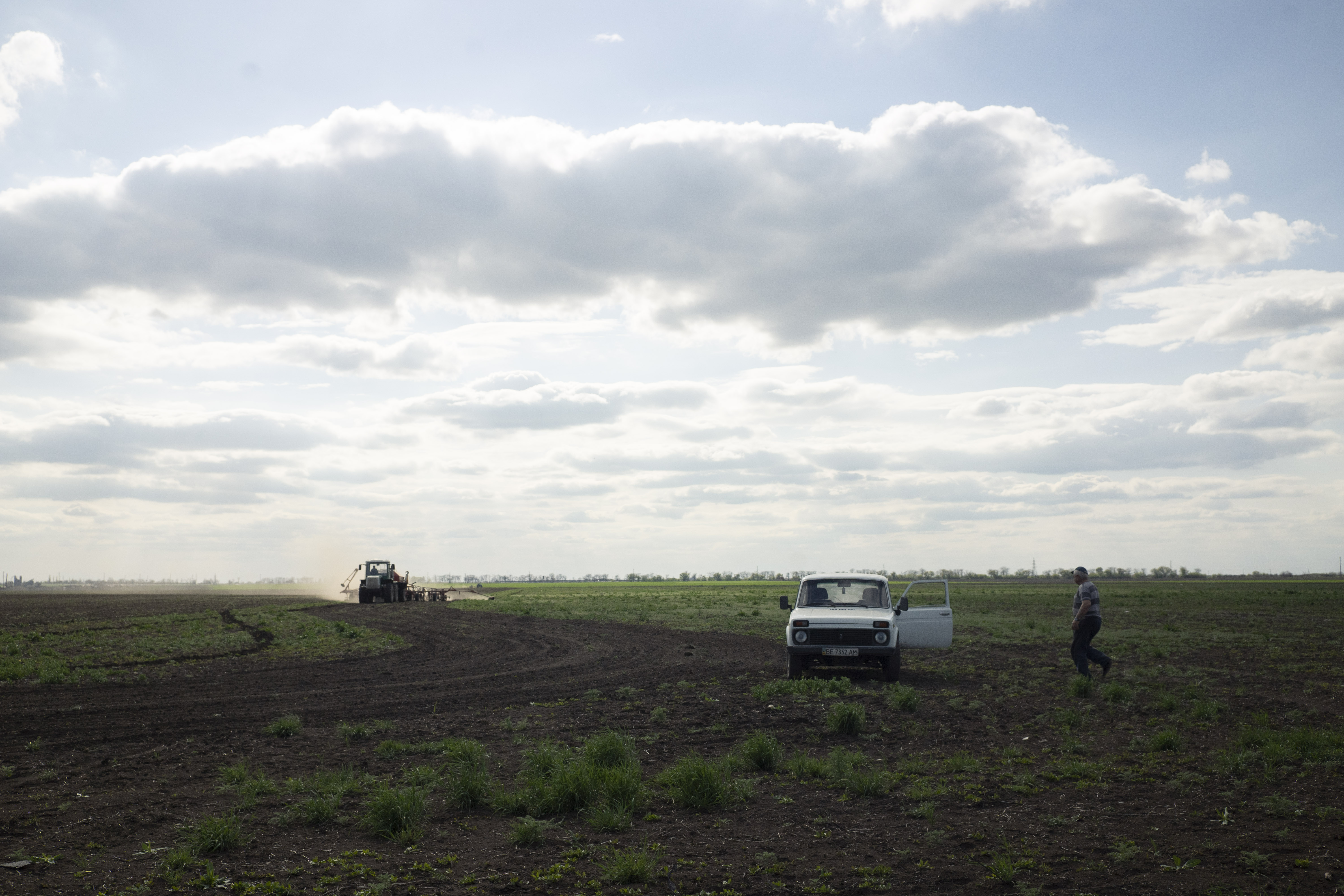
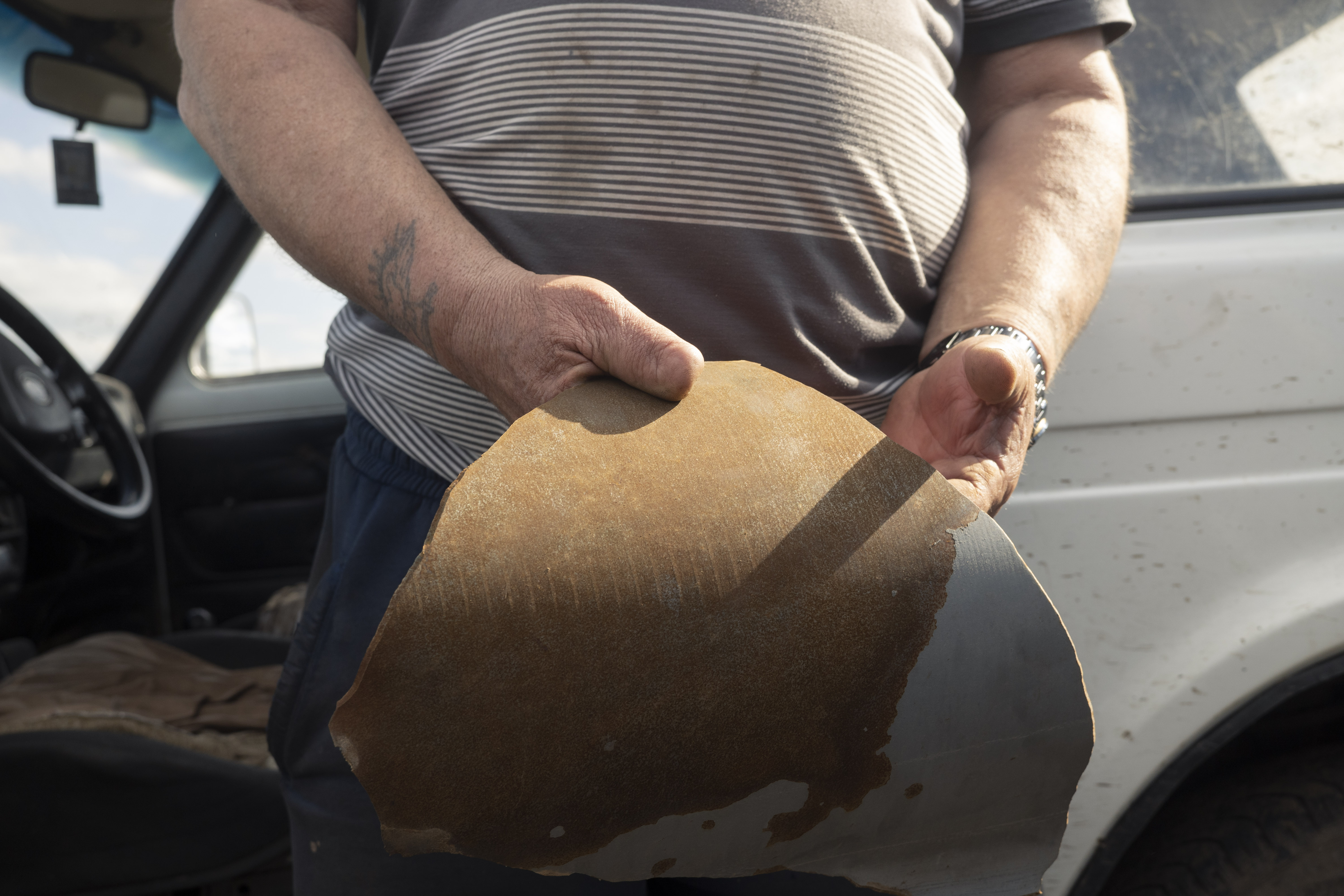
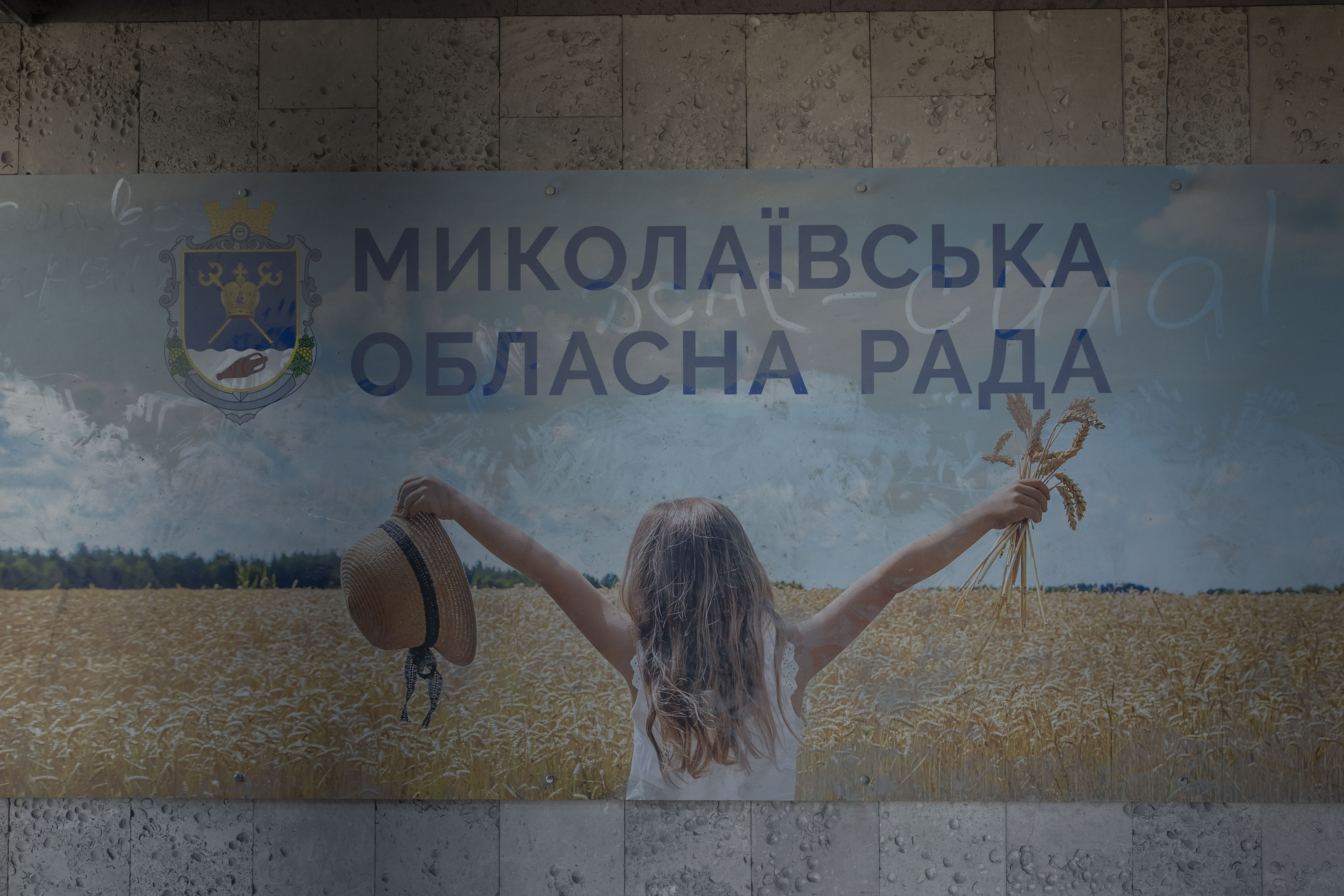
In the agricultural offices of the regional directorate in Mykolaiv. The building was bombed on in March.10 KM north of Mykolaiv, Vladimir’s looks on at his 700 hectares of land, including his cabbage fields.«It doesn’t fit into my head… how could they… Now we have to get used to this shooting. We go to work in the morning, we come back in the evening. We are still working.» Vladimir says. « Here’s our sprayer, we’re spraying today. Working. People are all working. Growing pigs, grains. Life goes on. It’s a bit scary but you can live with that. During the daytime, when you work, it’s fine, at night it’s somewhat creepy. »« I found this bomb fragment in my field » recounts Vladimir« Strength to the soldiers » is written in the dust on this sign in the hall of the Mykolaiv regional headquarters. On the poster « Mykolaiv, happy region »« We are still still waiting for the harvest in August»
In times of tragedy and disaster, people can come together and do extraordinary things. And so it is in and around Ukraine, where an amazing mutual aid network called the Green Road has emerged – organically, rapidly, and with impact. The Green Road has seen the global and the local ecovillage and permaculture communities involved in ongoing emergency support for people fleeing the war. Anastasiya Volkova of Permaculture in Ukraine has more. […]
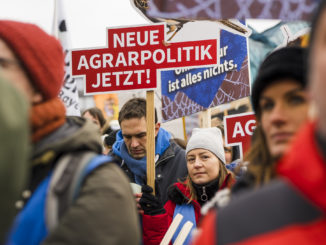
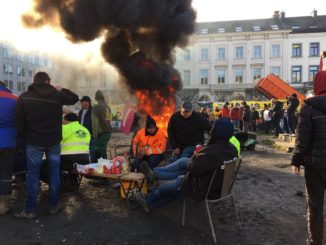
Can the EU achieve the urgently needed re-construction of the CAP? ARC2020’s president Hannes Lorenzen, on the causes of European farmers’ protests, the EU’s panic deconstruction of farm policies, and why civil society must deliver now. […]
The European Commission has once again granted a temporary exemption to environmental requirements in the EU farming subsidies programme for 2024 in efforts to appease EU farmers, despite acknowledging the EU executive does not yet have a clear picture of the impact of the previous derogations. Natasha Foote reports […]





1 Trackback / Pingback
Comments are closed.